Feeds:
Posts
Comments

Cliff Trafzer’s new book uses oral tradition to offer an alternate interpretation of ‘The Last Western Manhunt’

More than a century ago, a Romeo and Juliet-esque tragedy unfolded in the desert southwest. The antagonist, Willie Boy, shot and killed the shaman, William Mike, and eloped with William Mike’s daughter, Carlota, who met her demise at the hands of the pursuing posse. 

The story has been framed and reframed for generations from the settler perspective, including the Harry Lawton book “Willie Boy” and a 1969 Hollywood movie starring Robert Redford and Robert Blake. The resulting narrative has endured in large part because cultural law has prevented the Chemehuevi community from speaking of the dead. 

Clifford E. Trafzer, distinguished professor of history and Costo Chair in American Indian Affairs at UC Riverside, explores this fateful saga from the perspective of the Native community in his book, “Willie Boy & The Last Western Manhunt.”

Boy meets girl

Willie Boy was born into a Nuwuvi family in the Chemehuevi Valley in 1882. He entered the world at a contentious time as more white settlers pressed into the area in search of gold, land, and opportunities. Willie Boy learned the values of his culture as he walked the path of his ancestors. He also adapted to the white culture, learning English and working alongside white ranchers. As he grew, the cultural tug-of-war led to the misstep that set tragedy in motion. 
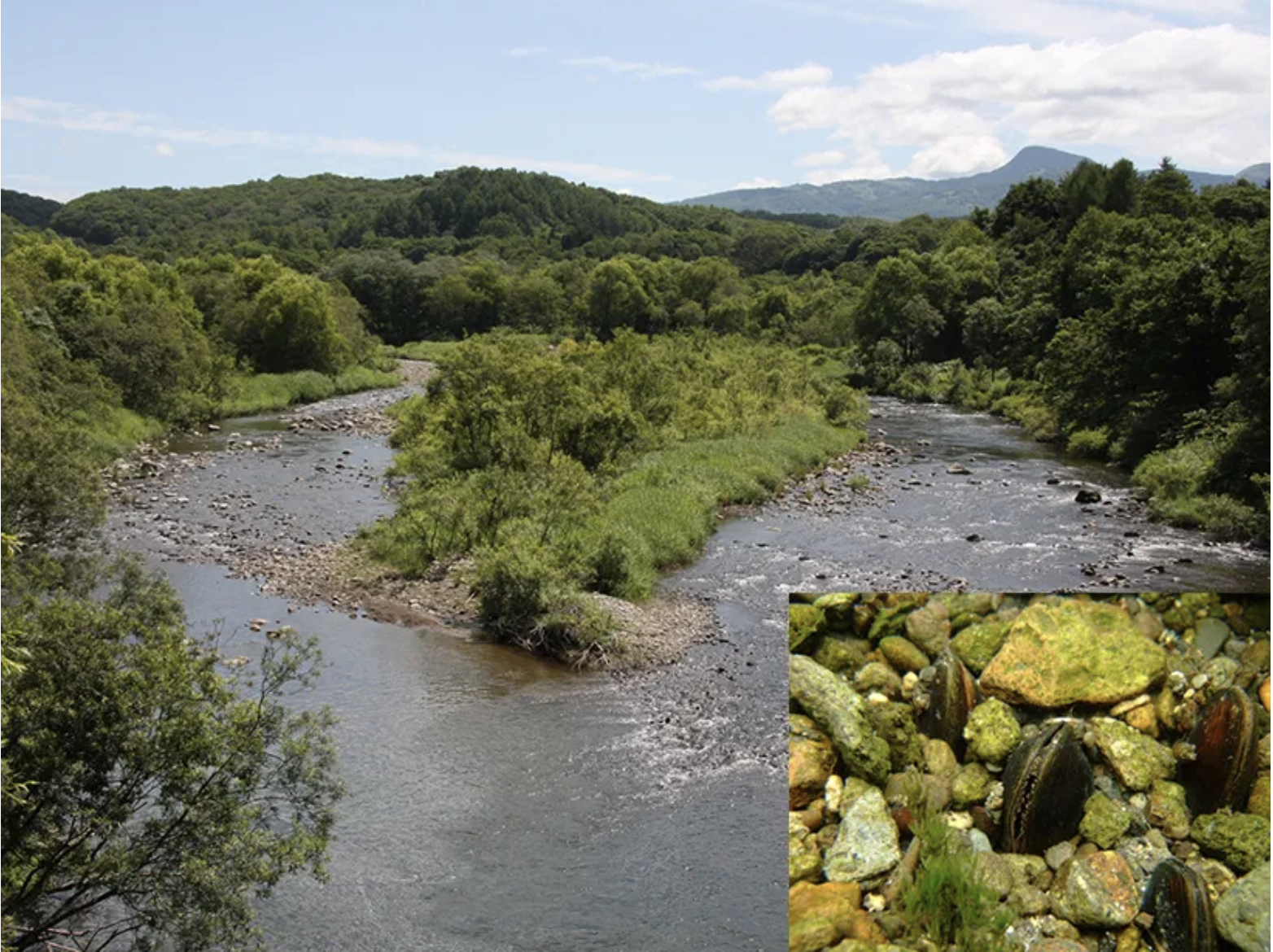
Margaritifera laevis, a freshwater mussel found throughout the Shiribetsu River in northern Japan, offers a potential proxy to understand changes in seasonal freshwater river flux. Credit: Tsuyoshi Watanabe (mussels) and Highten31, CC BY-SA 3.0

A new study explores a possible proxy for seasonal freshwater input that could elucidate changes in alpine snowpack as the planet warms.

As the planet warms, the winter season is growing shorter and warmer. The consequences of these changes are particularly problematic in alpine regions. These areas are being robbed of the time and temperature to accumulate an adequate snowpack to supply the valleys below with fresh water throughout the spring and early summer. Understanding how the snowpack has changed is critical, but snow is ephemeral, and the research community has lacked a proxy to record and reconstruct seasonal river flow.

Now a Japanese team of researchers is using the geochemical signature obtained from the shells of freshwater bivalves to find this critical piece of information. The results of their study, published in Palaeogeography, Palaeoclimatology, Palaeoecology, produced an almost 7-decade seasonal record of river flow in northern Japan.

“The proxy and/or geological records that could reconstruct the river environmental condition in the past are very limited,” said Tsuyoshi Watanabe, a lecturer at Hokkaido University and first author on the study. “I was surprised that [the shells of] these long-living [mussels] could capture very detailed information about river environments [at a] daily scale.”

Enter Margaritifera

For more than 4 decades, geochemical records obtained from the shells of bivalves, microplankton, and corals have proven to be effective proxies to reconstruct past environmental conditions, including temperature, salinity, and dissolved oxygen. In this study, Watanabe and his team focused on the freshwater mussel species Margaritifera, which has a pronounced life span of up to 200 years. Previous studies have found that the annual growth patterns of this species reflect temperature and precipitation during the summer months. Watanabe and his team set out to determine how the timing and chemistry of growth bands on the shell material correlated to the vast amount of environmental data for the region around the Shiribetsu River, where colonies of the mussel are common.

Continue Reading »

A team of researchers at the University of Michigan is looking to animals to find new ways for autonomous vehicles to navigate through the environment.

Autonomous vehicles are jauntily steering through the streets of more and more cities, but the navigation systems in these vehicles remain an evolving technological concept. As companies vie for the rights to urban terrains, they typically use sensors based on optical properties (like light waves and video) or radio waves to map and navigate the environment. These options may not provide the best coverage, especially in bad weather. A team of researchers at the University of Michigan is turning to nature to develop something better.

“Animals have the amazing ability to find their way using sound,” said Bogdan Popa, an assistant professor of mechanical engineering at the university and principal investigator on the project. “We want to develop a sensor that uses sound like animals.”

Continue Reading »

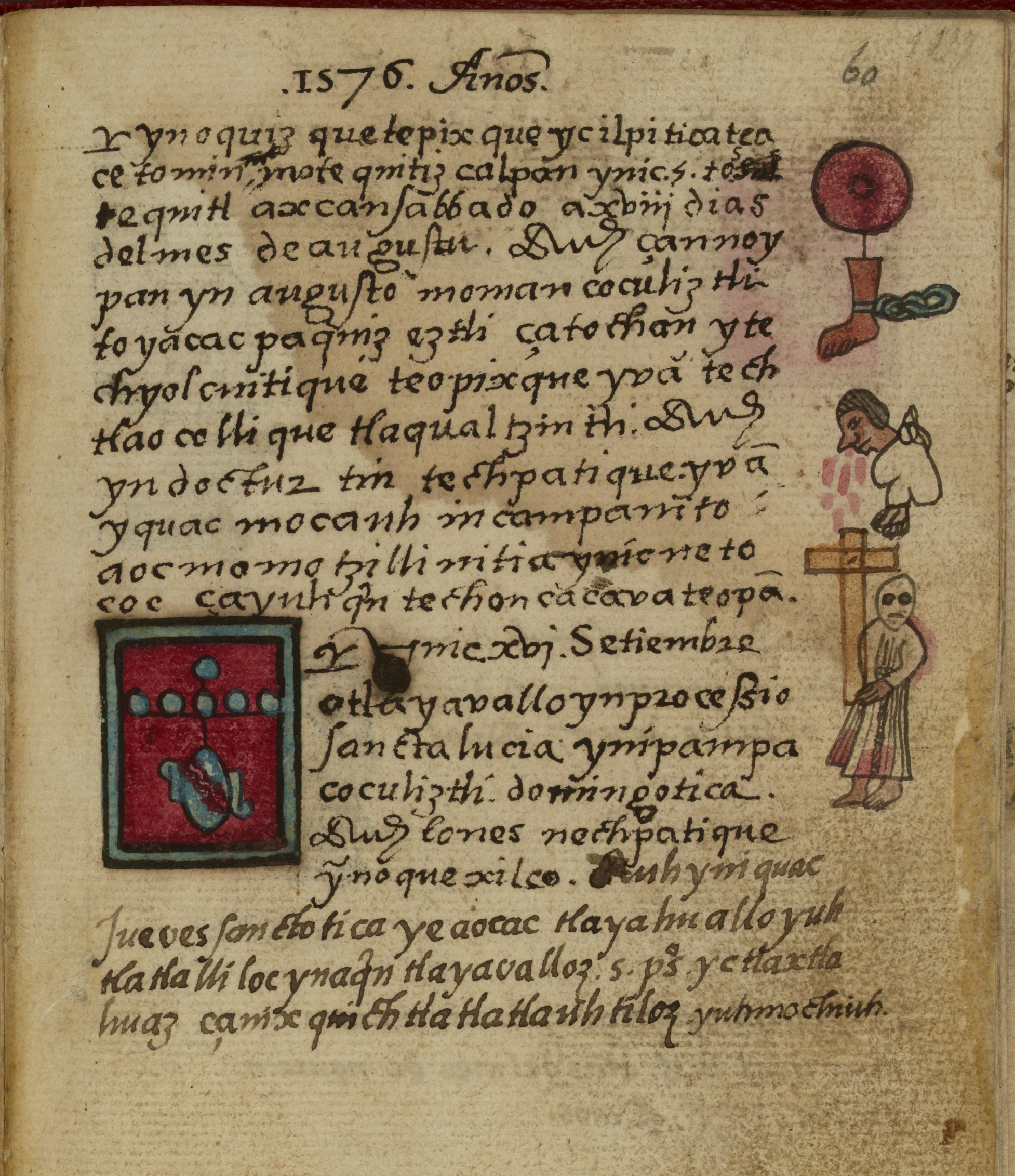
Jennifer Scheper Hughes details the Roman Catholic Church’s transformation in the Americas following an unidentified epidemic, and how Indigenous Mexicans rebuilt it in the aftermath

During the first century of American colonization, as many as 20 million people in Mexico perished from disease, violence, and exploitation. Jennifer Scheper Hughes, a professor in the Department of History at the University of California, Riverside, examines this period from historical and theological perspectives in her new book, “The Church of the Dead: The Epidemic of 1576 and the Birth of Christianity in the Americas.”

In 1576, a catastrophic epidemic claimed almost 2 million lives and simultaneously left the colonial church in ruins. In the crisis and its aftermath, Spanish missionaries and surviving Indigenous communities asserted radically different visions for the future of Christianity.

“Thinking about the church in Mexico is important,” Hughes said. “It predates by a century the arrival of the Puritans to New England. Mexican Catholicism is the oldest form of Christianity in the hemisphere.”

Continue Reading »