Feeds:
Posts
Comments

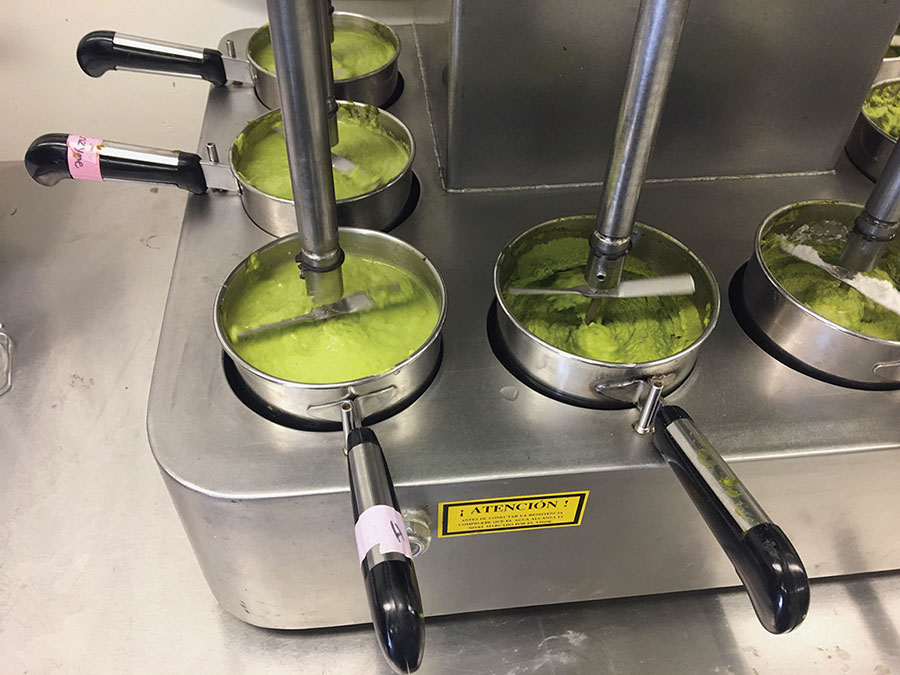
FIG. 1. Paste made from avocado flesh in a lab-scale malaxer where the oil droplets start to coalescence before oil extraction. Credit: John Almazan

Avocadoes are having a moment. The nutritional benefits promote heart health and reduce inflammation, blood pressure, and cholesterol. Not to mention the popularity of avocado toast.

Despite the rise in consumer interest, there are no standards to define the chemical and physical characteristics of avocado oil. Without an internationally defined standard, consumers are left vulnerable to adulterated or fraudulent avocado oil in the marketplace.

“Currently selling and buying avocado oil is like playing a boardgame with no rules,” said Selina Wang, department vice-chair and associate professor of Cooperative Extension in the Department of Food Science and Technology at the University of California, Davis. “With no enforceable standards in place, cheaters win and honest players get taken advantage of.”

Continue Reading »
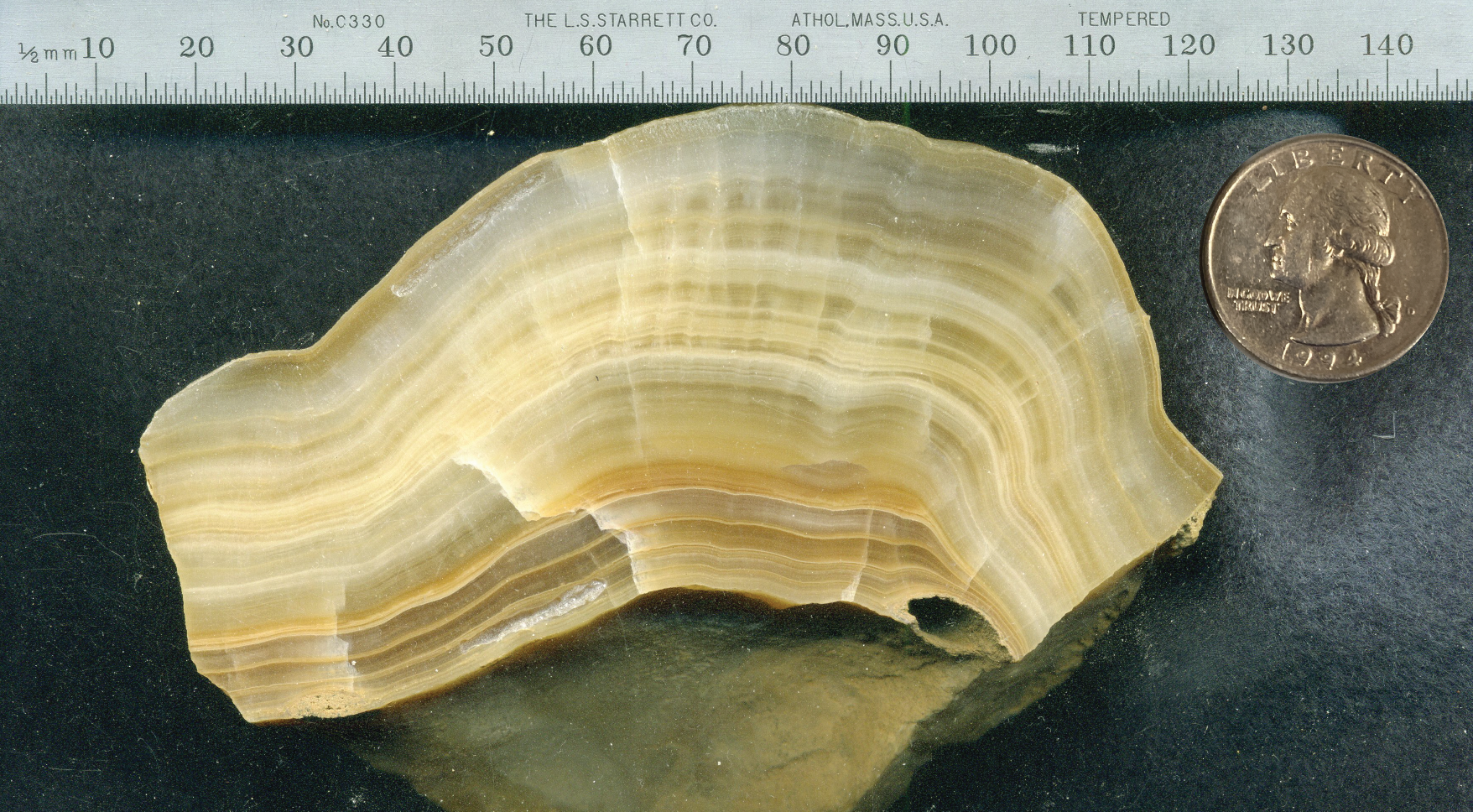

A speleothem has revealed rapid periods of warming across the interior of the continent during the last glacial period, corresponding to similar events recorded in Greenland ice.

Numerous climate records illustrate how temperature and precipitation have fluctuated over long periods of Earth’s history. Advances in technology have improved the resolution of these records, revealing episodes of short-term climate variability. A new record, obtained from a tiny stalagmite in North America, has revealed eight abrupt periods of warming, likely greater than 10°C, that punctuated the last glacial episode. The new research was published last month in Nature Geoscience.

The last glacial period began 115,000 years ago and ended at the start of the Holocene, 11,700 years ago. Ice core data from Greenland previously revealed 25 rapid episodes of warming, called Dansgaard-Oeschger (DO) events, largely attributed to changes in deepwater circulation in the North Atlantic.

Although documented in the Greenlandic ice cores, “prior to this study, there was a lack of evidence that suggested that the Midwest responded to DO events,” said Cameron Batchelor, a geologist and postdoctoral fellow at the Massachusetts Institute of Technology. Batchelor, the first author on the study, completed this work during her doctoral degree at the University of Wisconsin–Madison. “For the first time, we have proof that this region of the world was sensitive to DO events.”

Continue Reading »

When lipids begin to oxidize, the fatty acids are converted into ammonia and organic acids, like hydroperoxides, epoxides, aldehydes, ketones, and oxidized sterols. These compounds are responsible for the unpleasant sensory changes, like a rancid smell and off taste. The rancidification process also shortens the shelf life of food, leading to food waste and economic losses.

IN THE BEGINNING, THERE WAS SALT AND SMOKE

More than 5000 years ago, humans developed different techniques to extend the use of meat and fish. Some of the earliest preservation methods involved smoking and curing to draw out moisture and prevent microbes from taking hold. Through an iterative approach, epicureans have adjusted the time, humidity, temperature, and spices to impart a unique flavor and texture for each creation. Cured foods gained greater popularity about 2000 years ago as the practice transitioned from a means of survival to gourmet delights, including the still popular charcuterie board.


With the dawn of an industrialized food system, the food industry embraced chemical compounds, like sodium benzoate, butylated hydroxyanisole (BHA), butylated hydroxytoluene (BHT), propyl gallate (PG) and tertbutylhydroxyquinone (TBHQ), to slow lipid oxidation and prevent the growth of bacteria that can cause illness. While synthetic preservatives are safe at low concentrations and have been used in the food system for decades, consumer voices are growing louder in their demand for natural preservatives.

Continue Reading »

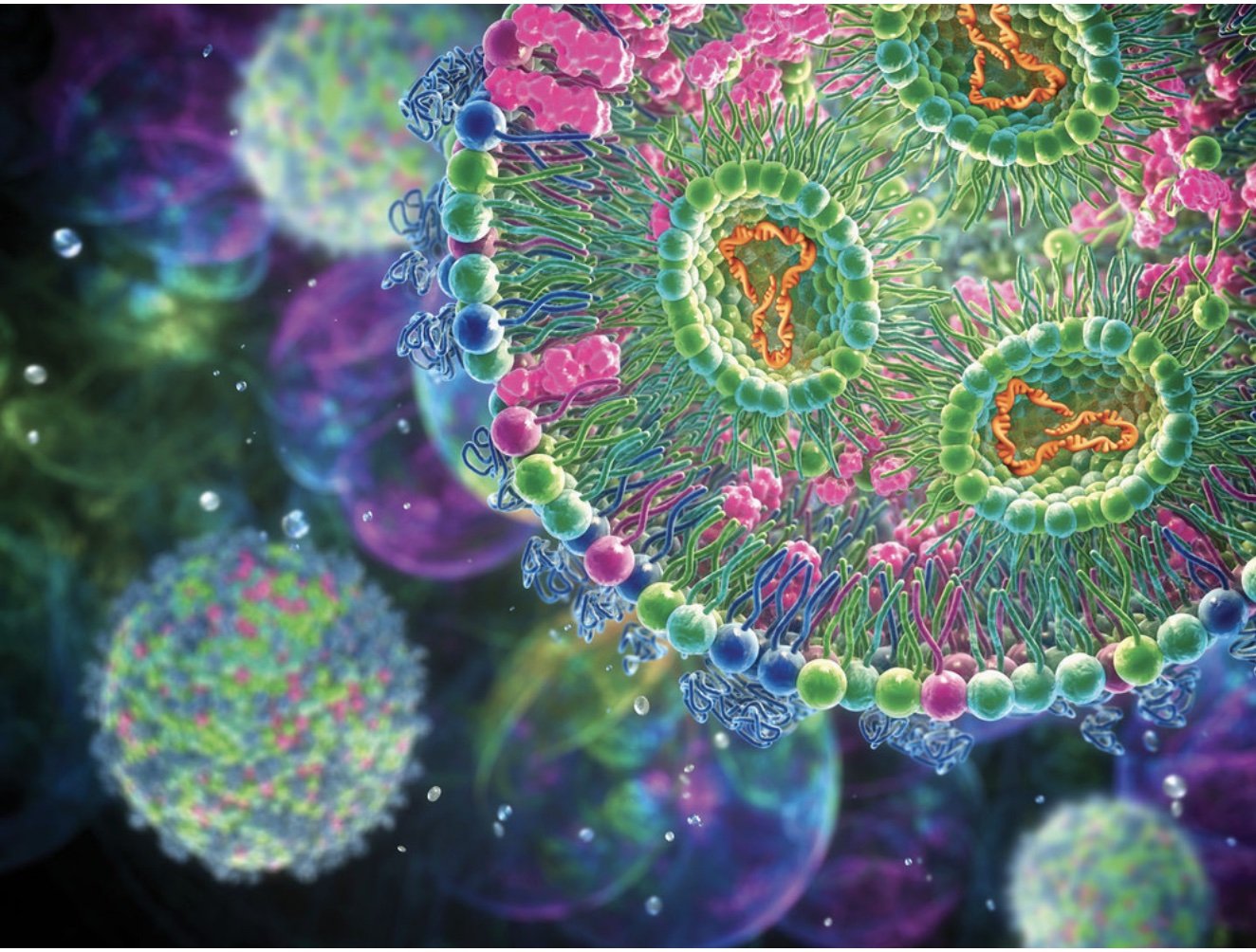
The Moderna and Pfizer COVID-19 vaccines were developed to prevent disease caused by the SARS-CoV-2 virus. These vaccines rely on mRNA, a snippet of genetic code that only contain instructions for how to make a spike protein—the antennae-like protrusions that extend from the surface of the virus’s cell membrane. The spike protein plays an integral role in how the virus gains entry into the host cell. By recognizing the initial attack, a vaccinated person can mount a defense to the virus, triggering an immune response that produces a cascade of antibodies. As a result, a vaccinated person experiences a less severe form of disease and shorter duration of the illness

There is one problem. How do you get the snippet of genetic code, which is unstable on its own, into the host cell to impart protection?

The answer is a sleek lipid capsule, called a lipid nanoparticle. Like a movie star rolling up to a night spot unseen in a blacked-out Bentley, the lipid nanoparticle merges with the host cell’s phospholipid membrane to deliver the mRNA payload, conferring protection against SARS-CoV-2 or its variants. This concept is not new, but the technique has been refined and offers a path forward for the future of therapeutics.

Continue Reading »