
Feeds:
Posts
Comments

Screen shot 2014-06-09 at 4.28.11 PMTrichoderma reesei, a fungus found in soils throughout the world, produces a cellulose-degrading enzyme to break down plant material in order to obtain nutrients.

“Unlike animals that produce enzymes in the gut to breakdown food, fungi secrete enzymes into their environment to break down the surrounding carbon and nitrogen so it can absorb the nutrients as food,” said the study’s lead author Scott Baker.

The fungus frustrated army officials in the South Pacific theatre during World War II, because enzymes accelerated the disintegration of the cotton fabric in the fatigues and tents.
Continue Reading »

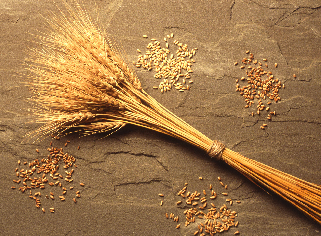
Screen shot 2014-06-09 at 4.24.57 PMThe United States, the world’s leading exporter of wheat, is struggling to keep pace with demand, and a decline in grain available is causing a worldwide crisis. Improving the performance of winter wheat is crucial to keeping pace with worldwide demand.

With funding from USDA’s Cooperative State Research, Education, and Extension Service (CSREES), scientists in California have identified the genes in wheat that are responsible for the plant’s tolerance to freezing temperatures.  This discovery may lead to improved crop production.

Continue Reading »

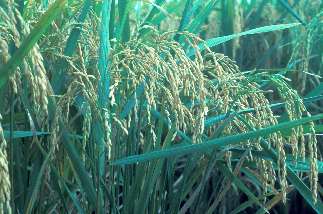
Screen shot 2014-06-09 at 4.21.38 PMIn 2008, headlines of real world events read like the script of a bad science fiction movie – the main food source of half the world was in short supply, sparking riots around the globe.  But new research may help shield rice crops from future attacks.

Rice is a tiny cereal grain that is the primary source of food for more than 50 percent of the world’s human population.  It is the second most consumed cereal grain and provides more than one-fifth of the caloric intake of people around the world. Fearing a global shortage, many governments and retailers began rationing rice supplies, which led to the events in the headlines.

Continue Reading »

While not as menacing as the sci-fi B-movie cult classic Attack of the Killer Tomatoes, agricultural scientists have discovered a dark side to, gulp, the earthworm.

Worms may delight gardeners with their ability to aerate the soil, but these organisms are not native to the northern regions of the United States and may be responsible for altering an ecosystem that developed in a worm-free environment.

With funding from USDA’s Cooperative State Research, Education, and Extension Service (CSREES), scientists in Ohio are exploring a sinister link between earthworms and common allergens.

Continue Reading »