Be afraid. A new terror is descending on your home and it lurks in your . . . er . . . bookcase? The terror in question is a fearsome little creature called Chelifer cancroides, one of the most common species of pseudoscorpion (there are actually about 2,000 species in the world). Ok, they are not scorpions, hence the pseudo- in front of their name, but they certainly look like the real thing. Their front legs extend into pincher-like claws that give the small arachnid a menacing appearance. However, these little critters do not pose any danger to you, the human, but be afraid if you are a book louse!
High blood pressure plagues slightly more than a quarter of the world’s adult population, and the numbers are expected to increase. How can people manage their blood pressure? Are pills the answer? The best solution may lie in your refrigerator’s crisper.
Previous work showed the relationship between diet and blood pressure. A diet rich in vegetables and fruit produced lower blood pressure readings, but the studies did not differentiate between cooked and raw vegetables. The cooking process alters the chemical composition and nutritional value of vegetables.
A recent study published in the Journal of Human Hypertension, which was led by scientists at the School of Public Health, Imperial College London, examined the impact of raw and cooked vegetables on blood pressure.
Posted in Food, Nutrition and Health | Tagged blood pressure, diet, vegetables |
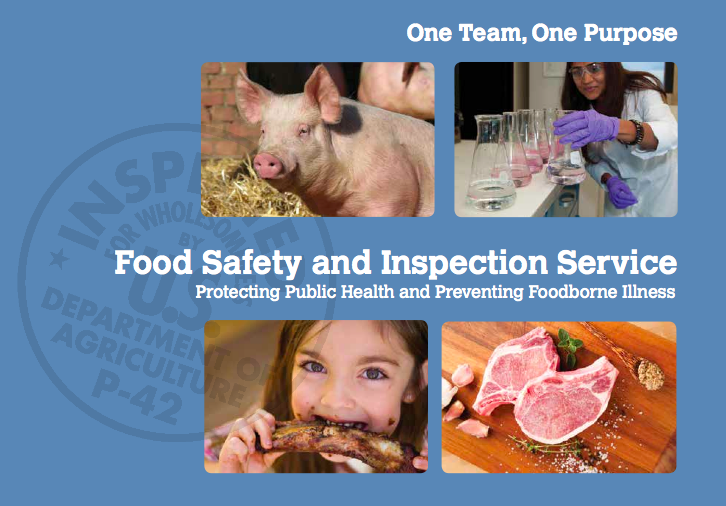 I wrote and helped design the USDA Food Safety and Inspection Service (FSIS) mission book. FSIS is the public health agency in the U.S. Department of Agriculture (USDA) and is responsible for ensuring that meat, poultry, and processed egg products are safe, wholesome, and accurately labeled.
View the entire book at http://www.fsis.usda.gov/wps/wcm/connect/7a35776b-4717-43b5-b0ce-aeec64489fbd/mission-book.pdf?MOD=AJPERES
Posted in Food, Nutrition and Health |
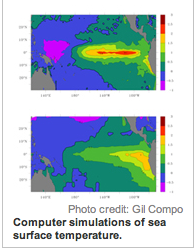 Let me tell you a tale of war, influenza, and strange climate events that are sure to set your hair on end. But this is not a fictional story to scare and entertain; it is a historical reality that, with the work of scientists at the University of Colorado, Boulder, Texas A&M University, and the University of Maryland has been clearly established.
The story begins in late 1917. The Great War was dragging into its fourth year in Europe and Russia. An influenza pandemic began draping a curtain of death across the world. Four countries became embroiled in revolutions, and India experienced the worst drought on record. This last event–and perhaps some of the others–may have been influenced by an inconspicuous warm patch of water in the central equatorial Pacific Ocean, where a strong El Niño began to brew.
Posted in Climate | Tagged 1918, climate change, el nino |
 EarthSpin