Feeds:
Posts
Comments

Researchers show compounds based on chloroindazole reduce inflammation as well as promote neuroprotection and remyelination, improving the primary symptoms in a mouse model of multiple sclerosis

Multiple sclerosis is an autoimmune disease that affects more than 2.3 million people worldwide. This debilitating condition periodically shutters communication between the brain and other parts of the body, resulting in symptoms that range from numbness and tingling in the arms and legs to blindness and paralysis. While treatments are available to alleviate inflammation, no therapies exist to protect neurons or repair the degraded myelin sheath that normally surrounds nerves.

Continue Reading »
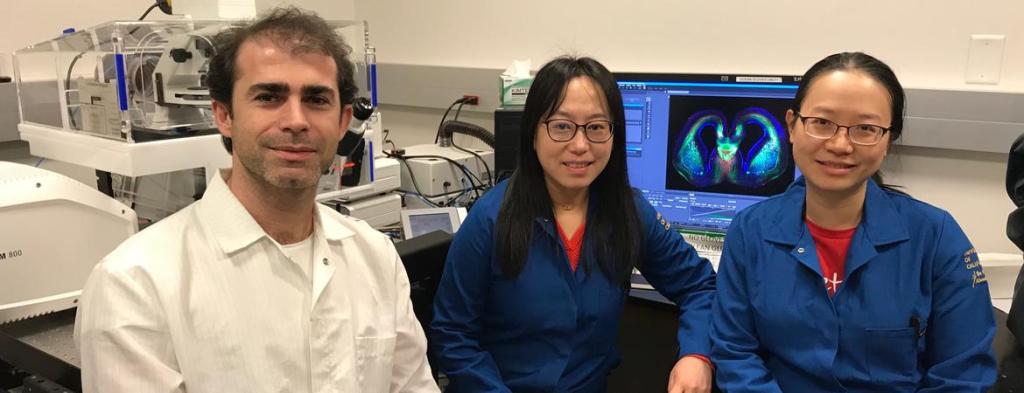
Scientists unlock new molecular secrets to unravel the mystery to how a neuron obtains an axon. 

Neurons transfer information through electrical impulses. These impulses travel down the long, threadlike axon that extends from the neuron’s central body. At the end of the axon, the impulse arcs across a gap to the fingerlike dendrite of the neighboring neuron. This spark of a synapse conveys information from one neural cell to the next. The complex neural circuit enables every action, emotion, and thought you experience every day.

Continue Reading »
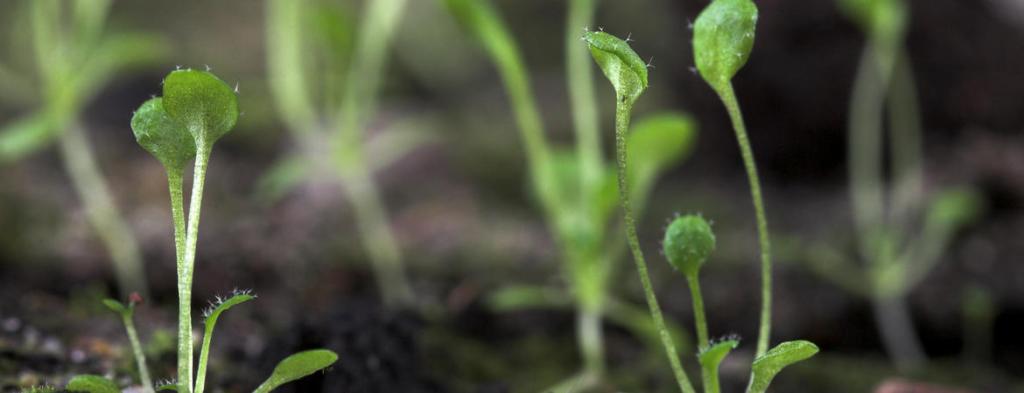
transgenic plant of Arabidopsis. Laboratory test for modification

With a temperature sensor in hand, researchers can engineer crops that produce yields in warmer climates.

When it gets hot outside, humans and animals have the luxury of seeking shelter in the shade or cool, air-conditioned buildings. But plants are stuck.

While not immune to changing climate, plants respond to the rising mercury in different ways. Temperature affects the distribution of plants around the planet. It also affects the flowering time, crop yield, and even resistance to disease. 

Continue Reading »

Chinle_SpiderRock_altered

Growing up on the island of Kauai, Caitlin Stiglmeier, MD, developed an intense respect and love for the land. After completing a project on the East coast, she was overwhelmed by the same feeling as she drove west, deeper into the rural serenity that brought her to the Navajo reservation.

“I can’t really describe it, but I felt like I was entering into a special place,” she said.

Stiglmeier arrived at this region of northeastern Arizona to apply her medical skills as a fellow in the Global, Rural and Underserved Child Health (GRUCH) Fellowship program.

The GRUCH Fellowship program at University of Utah Health was designed to train pediatricians to become global health leaders. The participants apply their skills both locally and internationally by caring for children whose health care needs are underserved.

Continue Reading »