Feeds:
Posts
Comments

Archive for the ‘Nutrition and Health’ Category

High blood pressure plagues slightly more than a quarter of the world’s adult population, and the numbers are expected to increase. How can people manage their blood pressure? Are pills the answer? The best solution may lie in your refrigerator’s crisper.

Previous work showed the relationship between diet and blood pressure. A diet rich in vegetables and fruit produced lower blood pressure readings, but the studies did not differentiate between cooked and raw vegetables. The cooking process alters the chemical composition and nutritional value of vegetables.

A recent study published in the Journal of Human Hypertension, which was led by scientists at the School of Public Health, Imperial College London, examined the impact of raw and cooked vegetables on blood pressure.
(more…)

Read Full Post »

FSIS Mission Book

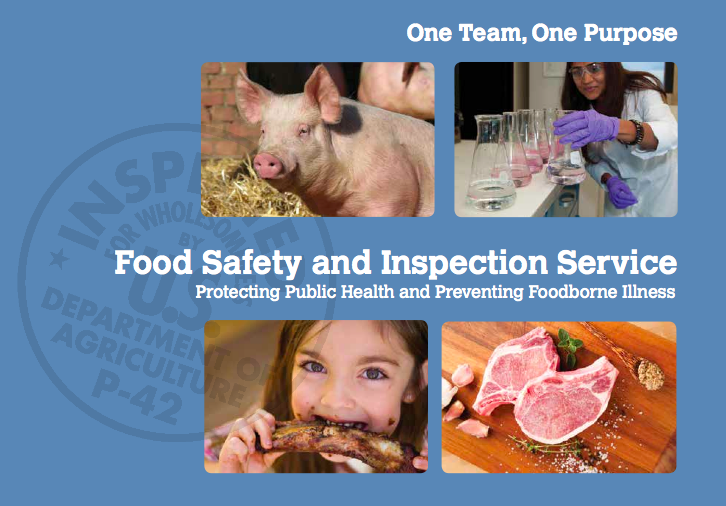
Screen shot 2014-06-09 at 5.50.45 PMI wrote and helped design the USDA Food Safety and Inspection Service (FSIS) mission book. FSIS is the public health agency in the U.S. Department of Agriculture (USDA) and is responsible for ensuring that meat, poultry, and processed egg products are safe, wholesome, and accurately labeled.


View the entire book at http://www.fsis.usda.gov/wps/wcm/connect/7a35776b-4717-43b5-b0ce-aeec64489fbd/mission-book.pdf?MOD=AJPERES

Read Full Post »

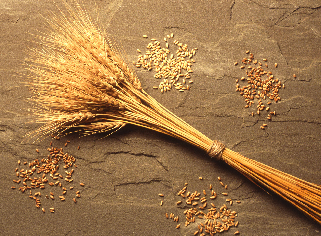
Screen shot 2014-06-09 at 4.24.57 PMThe United States, the world’s leading exporter of wheat, is struggling to keep pace with demand, and a decline in grain available is causing a worldwide crisis. Improving the performance of winter wheat is crucial to keeping pace with worldwide demand.

With funding from USDA’s Cooperative State Research, Education, and Extension Service (CSREES), scientists in California have identified the genes in wheat that are responsible for the plant’s tolerance to freezing temperatures.  This discovery may lead to improved crop production.

(more…)

Read Full Post »

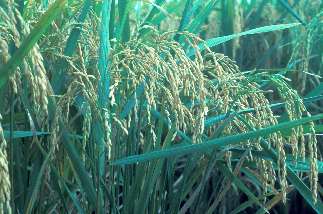
Screen shot 2014-06-09 at 4.21.38 PMIn 2008, headlines of real world events read like the script of a bad science fiction movie – the main food source of half the world was in short supply, sparking riots around the globe.  But new research may help shield rice crops from future attacks.

Rice is a tiny cereal grain that is the primary source of food for more than 50 percent of the world’s human population.  It is the second most consumed cereal grain and provides more than one-fifth of the caloric intake of people around the world. Fearing a global shortage, many governments and retailers began rationing rice supplies, which led to the events in the headlines.

(more…)

Read Full Post »

« Newer Posts - Older Posts »