“Molecules come embedded by nature in often complex, functional microstructures that we cannot see. Nutritional scientists aim to redesign some foods to protect nutrients and target them to perform specific functions in a way that may enhance human health,” said José Miguel Aguilera, emeritus professor of chemical and food engineering at the Pontifical Catholic University of Chile in Santiago in an interview with BBC Food (https://www.bbc.co.uk/food/articles/food_matrix).
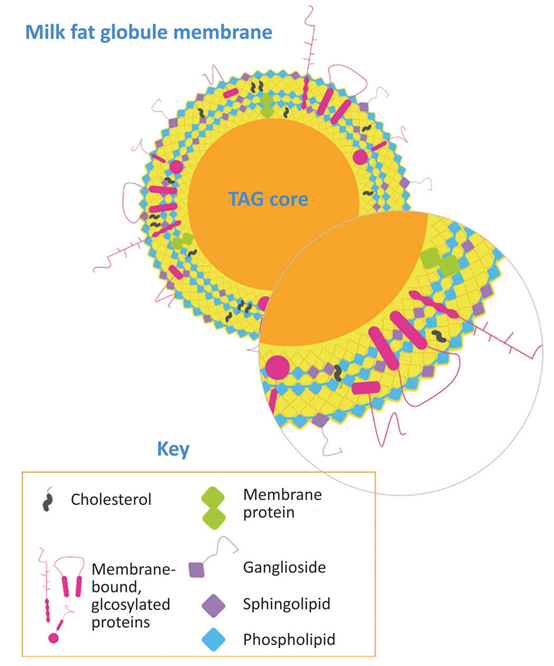
There may be no better example of this matrix effect than the milk fat globule membrane (MFGM), a tri-layer membrane that surrounds droplets of fat in breast milk.
Researchers in Spain monitored variations in seismic noise across Barcelona as the city locked down during the pandemic, clarifying the seismic band associated with human activity.
Tracking vibrations before and throughout the pandemic has helped scientists pinpoint the seismic noise in Barcelona, Spain, most closely associated with human activity. Credit: Mattia Panciroli, CC BY-NC-ND 2.0
In March 2020, countries around the world began to shut down to slow the spread of the coronavirus. Although the measures were preventative and protective, they also offered scientists an opportunity to evaluate how this drastic change rippled throughout the environment. Within a few weeks of the initial lockdown, Spanish scientists recorded a significant reduction in air pollution. Jordi Díaz, part of the scientific staff at Geociencias Barcelona–Consejo Superior de Investigaciones Científicas, and his team used this unique period to create a baseline for seismic noise in urban areas.
In September 2019, seismologists established a network of 14 temporary seismic sensors along with 5 permanent sensors (all placed 2 to 3 kilometers apart from one another) across Barcelona to evaluate different methods to capture ambient noise. What they did not anticipate was that the network would monitor the level of seismic vibrations during this remarkable period in human history. The study offers insight into how seismic monitors could be used to monitor human movement to understand economic activity. The results are available in a special issue of the journal Solid Earth.
“When you hear a piece of music, you do not isolate the strings or the percussion; you hear the whole thing,” said Díaz, lead author on the paper. “Like music, a seismic record is composed of vibrations from many different sources—traffic, earthquakes, ocean waves. We were curious if we could identify changes in the seismic data produced by human activity during lockdown.”
Your sister is calling, so you pick up. She is crying. She thinks she has the coronavirus (COVID-19). After calming her down, you find out that she called her doctor and they refused to test her. What do you do?
Who Gets Tested
In order to be tested for COVID-19, a you need to fall into one of the following two categories:
History of fever (temp > 100 F) and flu-like symptoms such as:
new cough,
difficulty breathing,
malaise, and
muscle aches.
Mild respiratory symptoms without fever should not be tested unless you are in an “at risk” category.
At-risk is defined as:
been in close contact with someone (not in the same household) who has tested positive for COVID-19 within the last 14 days;
traveled to an area with widespread community transmission within the last 14 days;
are immunocompromised;
are over age 65;
live in a shared setting, such as a long-term care facility, homeless shelter, or correctional facility; or
A team of researchers at Carnegie Mellon University found that age plays a critical role in the well-being of people newly diagnosed with Type 2 diabetes, with younger patients more susceptible to psychological distress resulting in worse health outcomes.
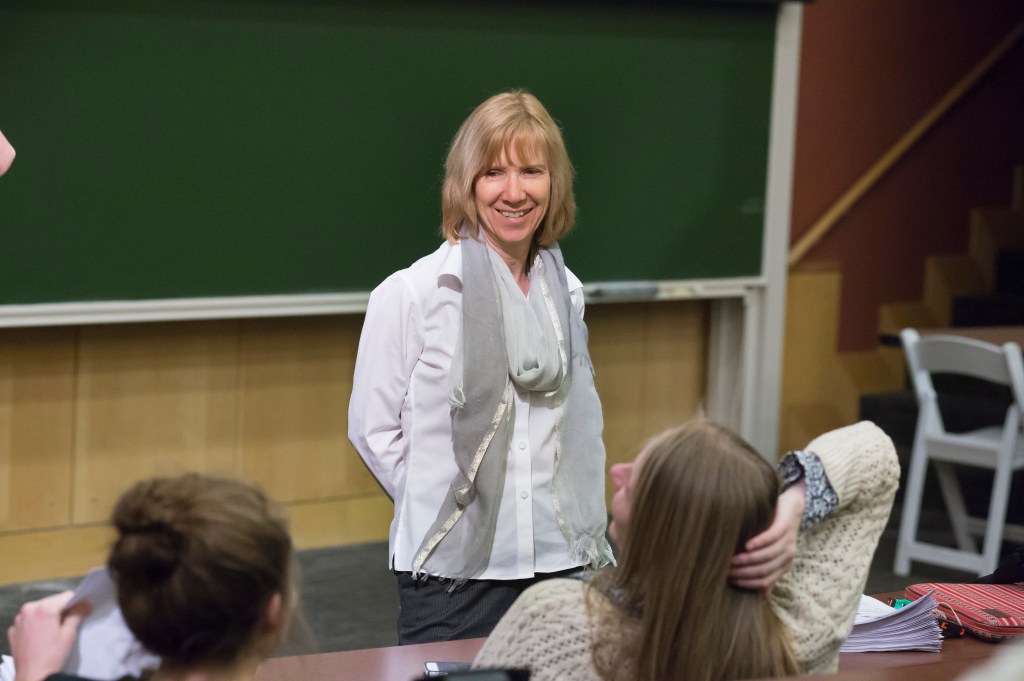
“We found we can evaluate a patient’s initial stress and predict how they will be doing six months later,” said Vicki Helgeson, professor of psychology at CMU’s Dietrich College of Humanities and Social Sciences and senior author on the paper. “If you can identify people who are facing diabetes distress earlier, you can intervene and prevent their health from declining.”

 EarthSpin