T cells are positioned at the frontline of the body’s immune system to fight infection, cancer, and autoimmune disease. While different subtypes of T cells exist, how these cells take their different forms has remained elusive.
Now, a multi-institutional team of researchers led by Yale School of Medicine (YSM) has added clarity to the complex, dynamic molecular interactions that occur in the human immune system. In a new study, the researchers have identified one of the levers that controls the fate of T cells and what subtype they transform into. Their findings were published recently in the journal Science.
“Researchers often think of T cells as falling into different buckets—T cells for infection or T cells for cancer or autoimmunity,” said Nikhil Joshi, PhD, associate professor of immunology at YSM and senior author of the study. “We want to have a more holistic view of this process. T cells all start at the same place, and we wanted to understand the rules that control how T cells change in response to the molecular signals they see as they mount a defense.”
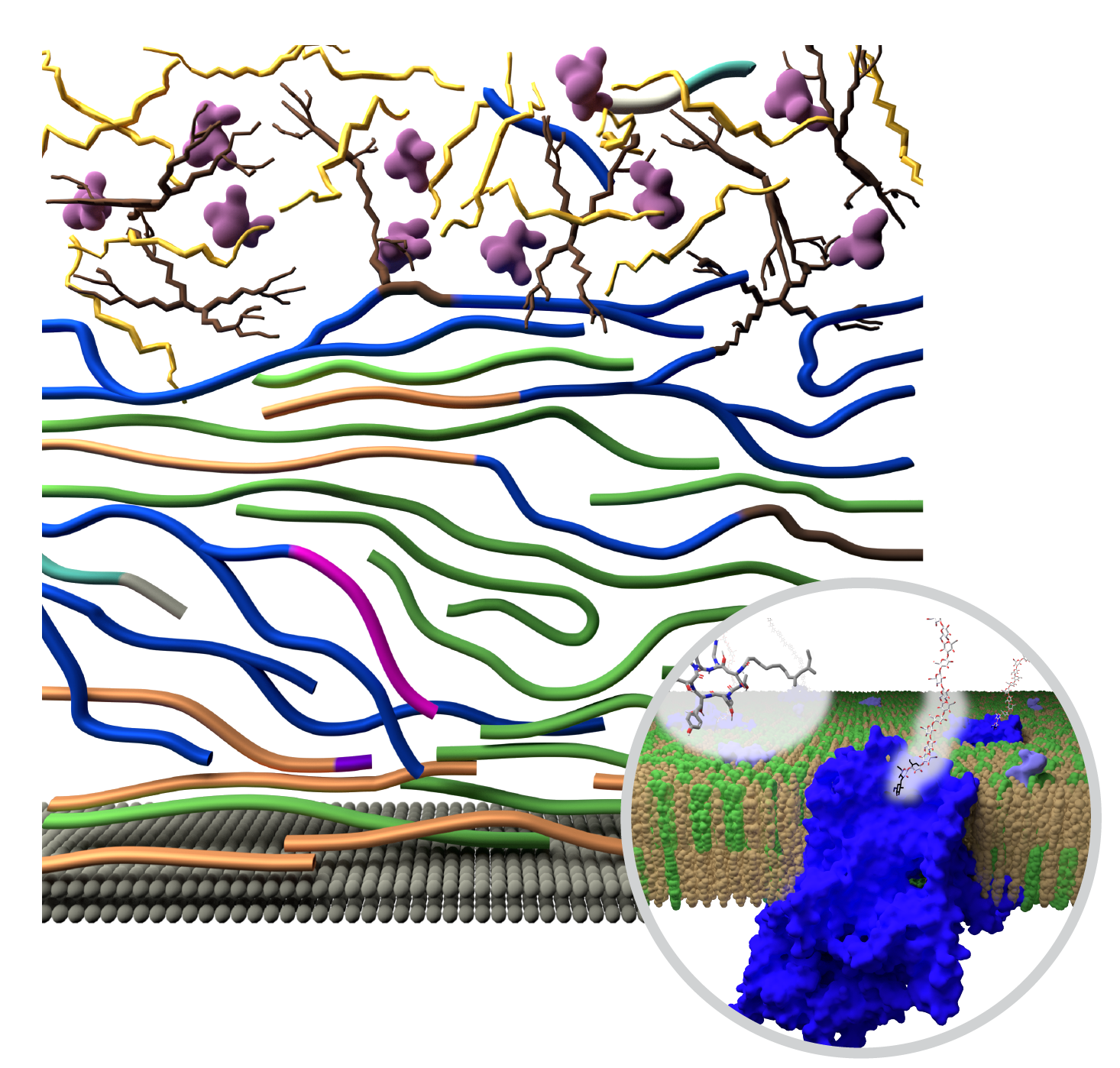
With biochemical analysis, state-of-the-art imaging technology and computer simulations, research led by scientists at Michigan State University has shown how fungi remodel their cell walls to thwart antifungal drugs. Credit: Figure adapted from Dickwella Widange et al. Nat. Commun.(2024).
Every year, life-threating invasive fungal infections afflict more than 2 million individuals globally. Mortality rates for these infections are high, even when patients receive treatment.
Aspergillus fumigatus, the most frequent cause of invasive fungal infection in people with suppressed immune systems, is responsible for approximately 100,000 deaths annually around the world. Poor treatment outcomes result from therapeutic failures and the fungi’s resistance to existing drugs.
A new multi-institutional study led by researchers at Michigan State University has characterized how fungi adapt to restructure their cell walls, effectively thwarting current antifungal medications. This new information opens opportunities to devise more effective use of antifungal drugs. The results were published July 31 in the journal Nature Communications.
“In order to improve the use of and develop new antifungal drugs, we need to understand the target,” said Tuo Wang, the inaugural Carl H. Brubaker Jr. Endowed Associate Professor in the Department of Chemistry at Michigan State University and lead author on the study. “This is not done easily, because the cell wall is very complex.”
The study was also selected to be featured among the journal’s Editors’ Highlights as one of the 50 best papers Nature Communications has published recently in the area of Microbiology and Infectious Diseases.
With this work, Wang and his team believe they have laid the foundation for pharmaceutical companies to adapt or combine existing antifungal drugs to help overcome their previous limitations.
Inova Schar Cancer is one of the top recruiting locations for the EMBER-4 clinical trial, a global study to evaluate a new treatment for ER+ HER2- breast cancer survivors
EMBER-4 is a Phase 3 clinical trial comparing a new drug therapy, imlunestrant, to the standard drug therapy to treat women with ER+ HER2- breast cancer. The trial is being conducted at multiple locations around the world, with Inova Schar Cancer named as one of the top recruiting centers in the United States.
“This pill is the first therapy in 30 years that could potentially replace endocrine therapy,” said study Kathleen Harnden, MD, Medical Director of Breast Oncology at Inova Schar Cancer and the principal investigator for the EMBER-4 clinical trial at Inova Schar Cancer. “This study is a bit of a unicorn. It is extremely patient centered and provides a rare opportunity to evaluate a treatment that may be better, with a higher cure rate, a lower risk of spread of breast cancer and fewer side effects.”
A multi-institutional study has identified a new treatment option for papillary craniopharyngioma, a rare form of cancer that forms along the central nervous system.
“Brain tumors are rare, and papillary craniopharyngioma tumors are rare among this group,” said Adam Cohen, M.D., co-director of the neuro-oncology program at the Inova Schar Cancer Institute. “We found that a drug therapy approved for another cancer worked beyond all of our expectations, and some people whose tumor shrank after treatment continue to do well without radiation or surgery.”
Papillary craniopharyngiomas grow deep within the brain and form tumors along critical structures, like the nerves connected to the eyes, memory circuits of the brain, and the hypothalamus that controls the production of hormones that control growth, development, and metabolism. These tumors affect primarily the very young and very old.
Immunotherapy and chemotherapy are ineffective for papillary craniopharyngiomas. Surgery and radiation are both effective but can produce both short- and long-term complications, like endocrine malfunction, vision problems, and impaired intellectual function. In addition, most patients experience recurrence of disease after treatment.
Papillary craniopharyngiomas are genetically simple tumors and are dependent on single-driver mutations that are less prone to develop resistance to drug therapies. Most craniopharyngiomas have a mutation on the BRAF V600E gene.
Vemurafenib and cobimetinib are two drugs approved by the FDA that target the BRAF V600E mutation for a variety of cancers, like melanoma, lung, and thyroid cancer.
“This mutation is fundamental for the formation and growth of these tumors,” said Cohen. “It is difficult to get drugs into the brain, and we wanted to prove the concept that these targeted drugs will work for tumors in the brain.”
Cohen participated in a study led by researchers at the Massachusetts General Hospital Cancer Center and the Mayo Clinic. The results of their study was published in the July issue of New England Journal of Medicine in an article titled “BRAF–MEK Inhibition in Newly Diagnosed Papillary Craniopharyngiomas.”



 EarthSpin