Feeds:
Posts
Comments

Archive for the ‘Geology’ Category

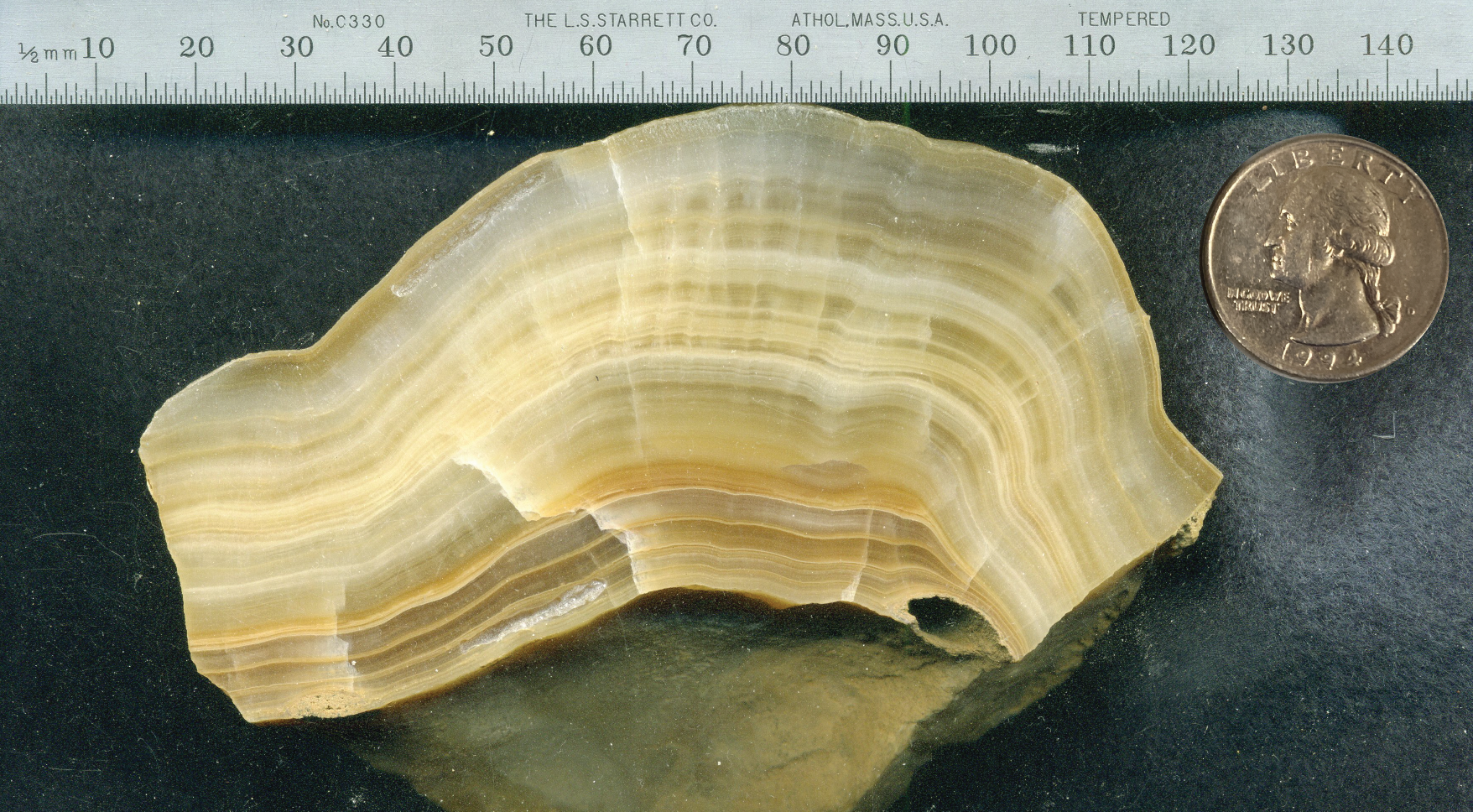
A speleothem has revealed rapid periods of warming across the interior of the continent during the last glacial period, corresponding to similar events recorded in Greenland ice.

Numerous climate records illustrate how temperature and precipitation have fluctuated over long periods of Earth’s history. Advances in technology have improved the resolution of these records, revealing episodes of short-term climate variability. A new record, obtained from a tiny stalagmite in North America, has revealed eight abrupt periods of warming, likely greater than 10°C, that punctuated the last glacial episode. The new research was published last month in Nature Geoscience.

The last glacial period began 115,000 years ago and ended at the start of the Holocene, 11,700 years ago. Ice core data from Greenland previously revealed 25 rapid episodes of warming, called Dansgaard-Oeschger (DO) events, largely attributed to changes in deepwater circulation in the North Atlantic.

Although documented in the Greenlandic ice cores, “prior to this study, there was a lack of evidence that suggested that the Midwest responded to DO events,” said Cameron Batchelor, a geologist and postdoctoral fellow at the Massachusetts Institute of Technology. Batchelor, the first author on the study, completed this work during her doctoral degree at the University of Wisconsin–Madison. “For the first time, we have proof that this region of the world was sensitive to DO events.”

(more…)
Read Full Post »

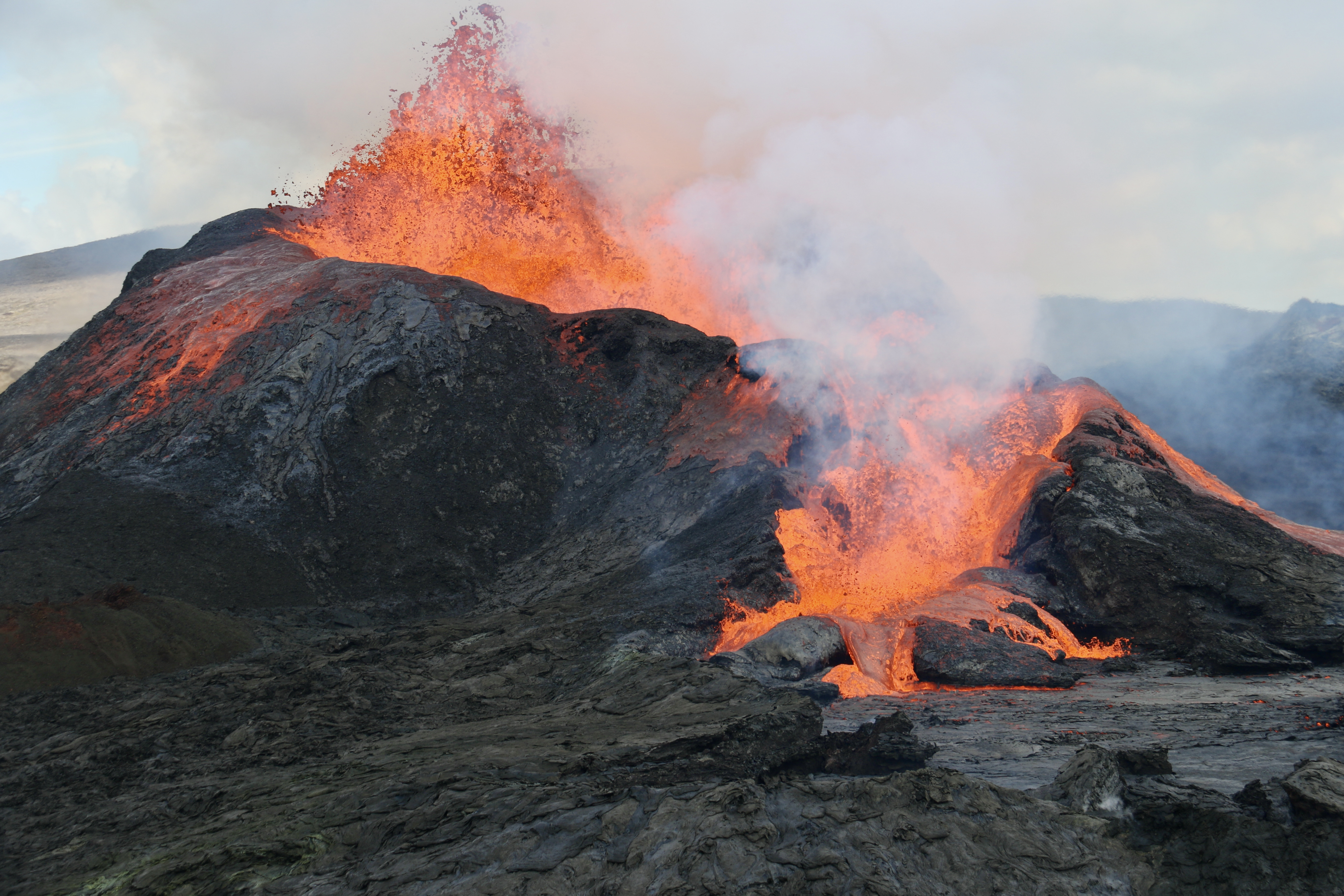
The Fagradalsfjall, Iceland, eruption event began in March 2021 and concluded 6 months later. Credit: Birgir V. Óskarsson

Researchers used satellites and aerial data to create regularly updated maps of the Fagradalsfjall eruption for both the public and disaster response agencies.

On 19 March 2021, the volcano Fagradalsfjall  began to erupt, suggesting that volcanoes on Iceland’s Reykjanes Peninsula had awakened from an 800-year slumber. Although most volcanism in Iceland occurs in regions far from population centers, eruptions on the Reykjanes Peninsula can threaten residents. 

“Basically, Fagradalsfjall is in the backyard of the capital of Iceland, Reykjavik,” said Gro B. M. Pedersen, a researcher at the University of Iceland. “The peninsula is a rather pristine, young region of Iceland.” 

Pedersen and a team of scientists came together to create maps to prepare the public for the evolving events. These mapping efforts were recently published in Geophysical Research Letters.

(more…)

Read Full Post »

A new study finds the lofted pollutants came from major European cities, but further study is required to fully understand the plastics’ transport and deposition processes.

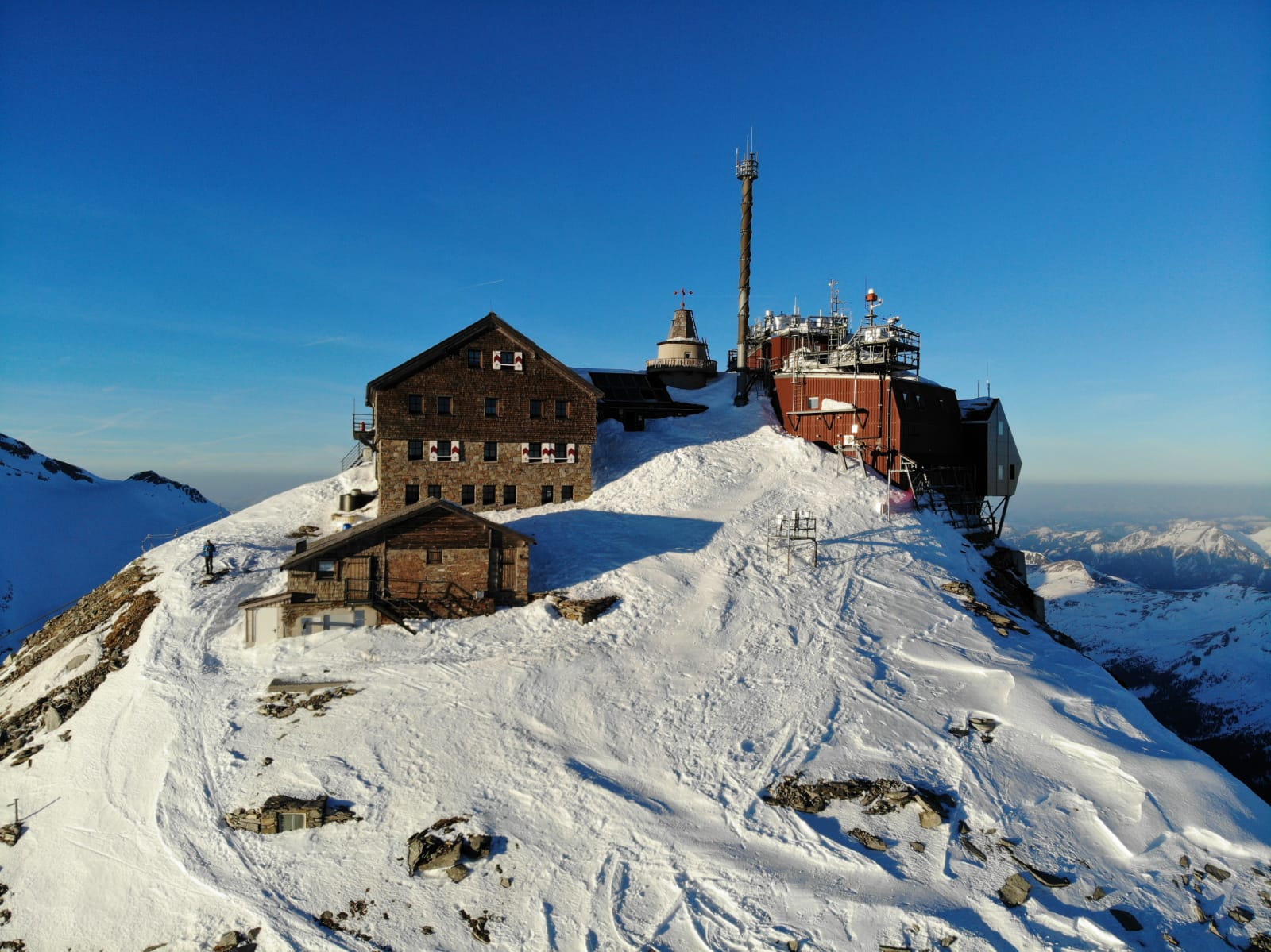
To test for the presence of nanoplastics in the Alps, researchers gathered samples of melted snow at Sonnblick Observatory, 3,106 meters above sea level. Credit: Elke Ludewig

Plastics are ubiquitous, with more than 350 million tons produced worldwide every year. The far-reaching effects of synthetic materials are also in the news, from the pile of garbage circulating in the Pacific to elephants dying from consuming nondegradable plastic waste. Now, a new study from an international team of researchers found tiny plastic particles high in the Alps.

Pervasive Plastics

Since plastics do not have a permanent environmental sink, they continue to degrade, becoming smaller until they are considered nanoplastics, which are 100 times thinner than a human hair. These fragments of plastic are tiny enough to be carried aloft and distributed by the wind. However, data on the distribution and concentration of nanoplastics are rarely reported.

Dušan Materić, a researcher at Utrecht University in the Netherlands, and colleagues were interested to see if nanoplastics were present in high-altitude, remote places, like the Alps. So they gathered 38 samples at Sonnblick Observatory from February to March in 2017. The observatory sits on a remote peak in the Austrian Central Alps, more than 3,100 meters above sea level. They focused on four commonly used plastics: polypropylene (PP), polyethylene terephthalate (PET), polyethylene (PE), and polystyrene (PS). The team used thermal-desorption proton-transfer-reaction mass spectrometry to measure and identify the tiny particles in the samples they collected. After analyses, the results were compared to 40 unique ions identified from new plastic exemplars.

(more…)

Read Full Post »

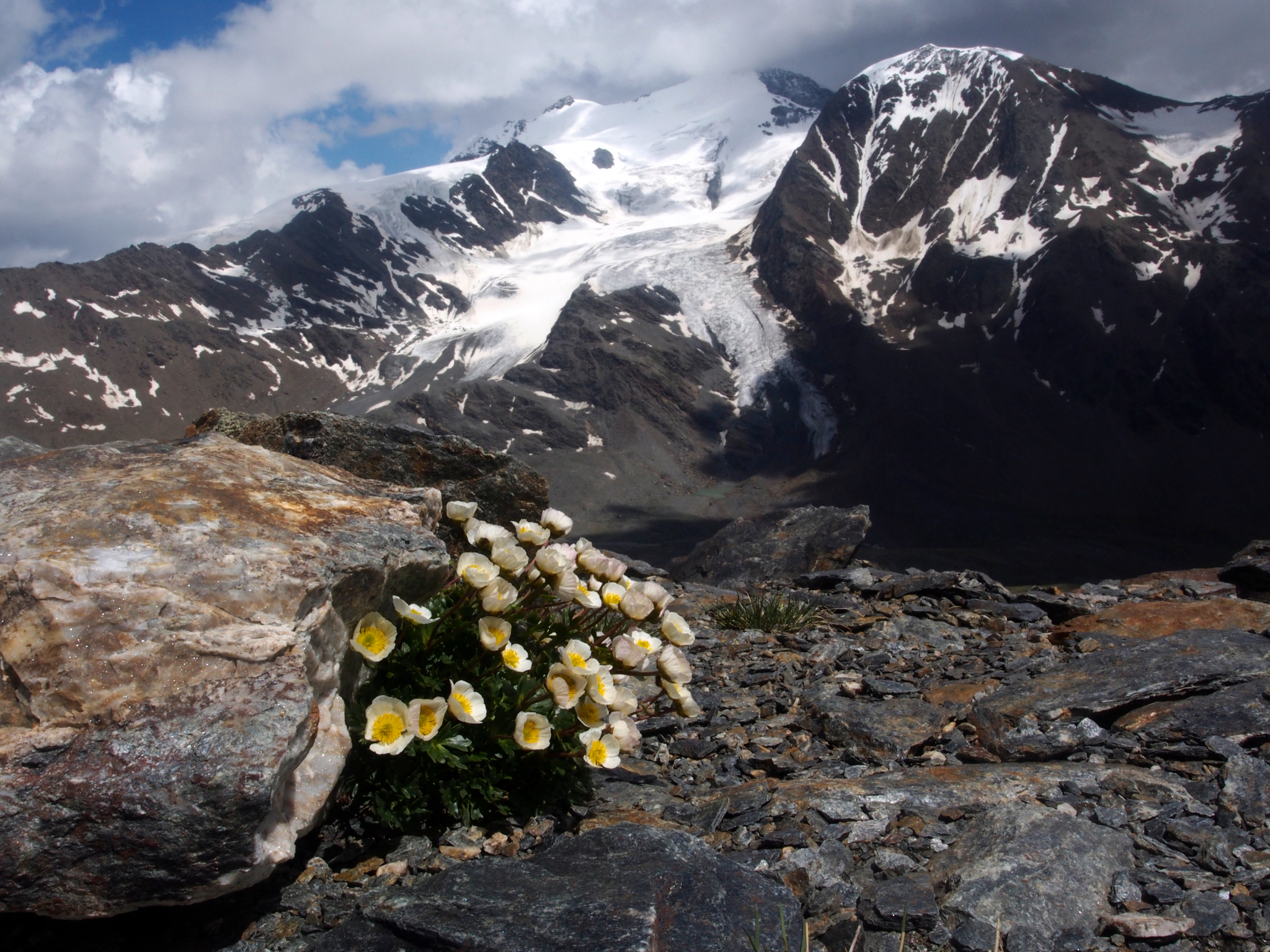
Ranunculus glacialis at the toe of the Pasquale glacier. Credit: Marco Caccianiga

A new study examines the impact of glacial extinction on biodiversity in alpine regions.

Many of the botanicals used in traditional medicines and to flavor spirits, from absinthe to eau de vie, grow in alpine regions near the toes of glacial ice. As the planet warms and glacial ice retreats, this unique environment is changing and altering the diversity of the plant community.

An Italian team of researchers explored the physical and biological factors that cascade through an ecosystem as glaciers retreat. The results, published in the January issue of Frontiers in Ecology and Evolution, are not promising for your favorite flavored liquors.

“Glacial retreat is a double-edged sword,” said Gianalberto Losapio, a postdoctoral research fellow in ecology at Stanford University and first author on the study. “Habitat opens as a direct consequence of losing the glacier, but diversity decreases as competition increases from the species that persist.”

The researchers examined published data sets on plant species distribution and leaf traits along with unpublished, original data on environmental conditions at four locations—Vedretta d’Amola glacier, Western Trobio glacier, Rutor glacier, and the Vedretta di Cedec glacier forelands—within the Italian Alps.

(more…)

Read Full Post »

Older Posts »