Feeds:
Posts
Comments

Archive for the ‘Genetics’ Category

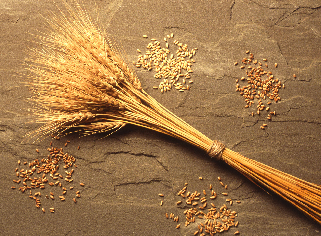
Screen shot 2014-06-09 at 4.24.57 PMThe United States, the world’s leading exporter of wheat, is struggling to keep pace with demand, and a decline in grain available is causing a worldwide crisis. Improving the performance of winter wheat is crucial to keeping pace with worldwide demand.

With funding from USDA’s Cooperative State Research, Education, and Extension Service (CSREES), scientists in California have identified the genes in wheat that are responsible for the plant’s tolerance to freezing temperatures.  This discovery may lead to improved crop production.
(more…)

Read Full Post »

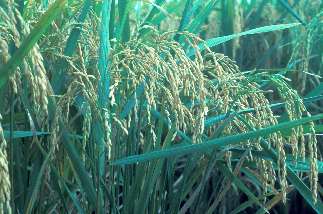
Screen shot 2014-06-09 at 4.21.38 PMIn 2008, headlines of real world events read like the script of a bad science fiction movie – the main food source of half the world was in short supply, sparking riots around the globe.  But new research may help shield rice crops from future attacks.

Rice is a tiny cereal grain that is the primary source of food for more than 50 percent of the world’s human population.  It is the second most consumed cereal grain and provides more than one-fifth of the caloric intake of people around the world. Fearing a global shortage, many governments and retailers began rationing rice supplies, which led to the events in the headlines.

(more…)

Read Full Post »

Clostridium perfringens, the second most common bacterial pathogen responsible for food poisoning in the United States, has been using a “secret weapon” to survive and sicken as many as 250,000 people every year at a cost of several hundred million dollars in medical care and lost productivity.

Now, however, scientists have uncovered the secret behind the C. perfringens’ success.

(more…)

Read Full Post »

Nothing says summer like a ripe, juicy slice of watermelon on a hot day. However, this important summertime fare is under assault and may not even make it to the table; a tiny pathogen is ravaging crops, causing the rind to weaken and allowing the fruit to ooze out into the field.

The disease, called watermelon fruit blotch, accounts for losses of up to 90 percent of marketable yield in some watermelon fields. Fruit blotch was first detected in Florida in 1989. Since that time, it has migrated along the eastern seaboard and into Indiana, affecting 11 states. The rapid migration and expansion of this disease may lie in its seeds.

(more…)

Read Full Post »

« Newer Posts - Older Posts »