Feeds:
Posts
Comments

Archive for the ‘Genetics’ Category

Hyun Park Kang, co-author of a recent article in the Journal of Plant Registrations, punching leaf samples for DNA marker genotyping. Photo by Bao-Lam Huynh.

Commercial markets are embracing traditionally ethnic vegetable crops, adding diversity to the food system. Long beans (Vigna unguiculata subsp. sesquipedalis), which originated in Africa and have been refined through domestication in Southeast Asia, have an export value of $80 million. The edible pods are a symbol of luck and longevity, but more importantly, they pack a nutritious punch, offering a new food option, enriched in protein, vitamins, and minerals.

Despite these benefits, long beans have not broken into larger commercial markets because the current varieties require frequent applications of synthetic chemicals to manage aphids and root‐knot nematodes, limiting marketability and opening the potential of pest resistance. Concerns with pesticide applications have affected consumer demand, and the acreage of long bean has been in decline.

A recent article in the Journal of Plant Registrations (https://doi.org/10.1002/plr2.20361) details the development by researchers at the University of California–Riverside of new long bean germplasm lines that resist aphids and nematodes.

“We are confident that once consumers become familiar with the new resistant varieties, the crop will gain momentum,” says Bao‐Lam Huynh, assistant professor in the Department of Nematology at the University of California–Riverside and first author on the paper.

(more…)

Read Full Post »

A multi-institutional study has identified a new treatment option for papillary craniopharyngioma, a rare form of cancer that forms along the central nervous system.

“Brain tumors are rare, and papillary craniopharyngioma tumors are rare among this group,” said Adam Cohen, M.D., co-director of the neuro-oncology program at the Inova Schar Cancer Institute. “We found that a drug therapy approved for another cancer worked beyond all of our expectations, and some people whose tumor shrank after treatment continue to do well without radiation or surgery.”

Papillary craniopharyngiomas grow deep within the brain and form tumors along critical structures, like the nerves connected to the eyes, memory circuits of the brain, and the hypothalamus that controls the production of hormones that control growth, development, and metabolism. These tumors affect primarily the very young and very old.

Immunotherapy and chemotherapy are ineffective for papillary craniopharyngiomas. Surgery and radiation are both effective but can produce both short- and long-term complications, like endocrine malfunction, vision problems, and impaired intellectual function. In addition, most patients experience recurrence of disease after treatment.

Papillary craniopharyngiomas are genetically simple tumors and are dependent on single-driver mutations that are less prone to develop resistance to drug therapies. Most craniopharyngiomas have a mutation on the BRAF V600E gene.

Vemurafenib and cobimetinib are two drugs approved by the FDA that target the BRAF V600E mutation for a variety of cancers, like melanoma, lung, and thyroid cancer.

“This mutation is fundamental for the formation and growth of these tumors,” said Cohen. “It is difficult to get drugs into the brain, and we wanted to prove the concept that these targeted drugs will work for tumors in the brain.”

Cohen participated in a study led by researchers at the Massachusetts General Hospital Cancer Center and the Mayo Clinic. The results of their study was published in the July issue of New England Journal of Medicine in an article titled “BRAF–MEK Inhibition in Newly Diagnosed Papillary Craniopharyngiomas.”

(more…)

Read Full Post »

MT_Family_banner

Researchers identify a genetic mutation that sets the heart racing, producing an irregular heartbeat that can lead to heart failure.

As a young woman, Martha Aston knew something wasn’t right.

“I was preparing for my junior piano recital in college and I just didn’t feel good,” she said. “Performing one piece of music exhausted me.”

Beyond the bone-grinding fatigue, she also could not catch her breath. During a routine medical check-up a few months later, her doctor paused while listening to her heart.

“He asked me if I knew I had an irregular heartbeat,” she said.

(more…)

Read Full Post »

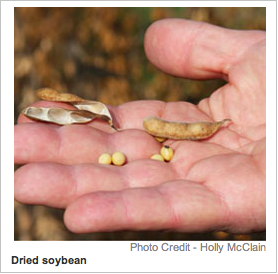
Soybean – The Wonder Legume

Screen shot 2014-06-09 at 4.34.43 PMSoybean is an interesting plant. It provides a valuable protein source for human and animal consumption, it is an important feedstock for biodiesel production, and it interacts with soil-borne bacteria (Rhizobia) that capture atmospheric nitrogen and store it in the soil, a beneficial side-effect utilized during crop rotation. In an effort to unlock the full power of this plant, scientists have sequenced the soybean genome.

(more…)

Read Full Post »

Older Posts »