Feeds:
Posts
Comments

Archive for the ‘Climate’ Category

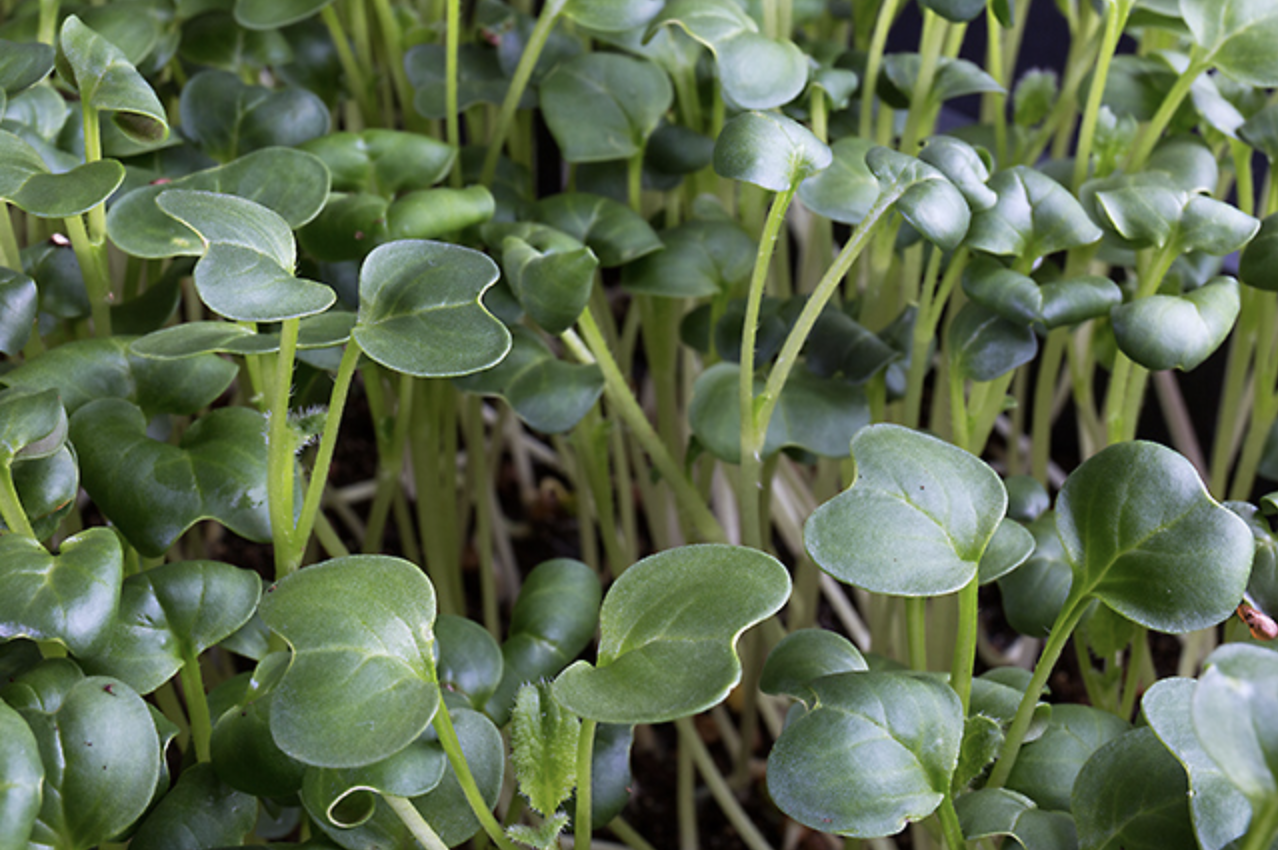
Imagine if your neighborhood is routinely destroyed. The houses, streets, and businesses damaged. It would be difficult to have a community thrive under such devastating circumstances. Soil microbes experience a similar scenario when traditional agricultural practices are used on the farm.

The soil microbiome is a collection of bacteria, fungi, and archaea that play an integral role in soil and plant health. These microbes provide vital ecosystem services like breaking down organic matter and cycling nturients to make them available to plants. The microbes also control and suppress pathogens, both fungi and bacteria. 

“[These organisms] promote decomposition of materials, like roots and other plant materials, into carbon dioxide and soil organic matter,” said Christoph C. Tebbe, professor at the Thünen Institute, Germany. “[They] are an important for creating the building blocks for keeping soil in a very healthy structure, not compacted but nice aggregates and a pore system that allows plants to grow better.”

In addition, the soil microbiome consumes and stores excess nutrients from fertilizer applications and purifies water, preventing nutrient run-off and eutrophication further downstream. It also degrades pesticides into nontoxic compounds so the chemicals are more easily processed through the environment. 

“Industrial agriculture requires large fertilizer applications on large fields to grow monoculture crops, which can be productive for years, even decades, but soil structure gets worse and plant inputs may need to be increased,” said Tebbe. “In the end though, farmers want to give their fields and farms to the next generation in a state as good as they received it.”

(more…)
Read Full Post »

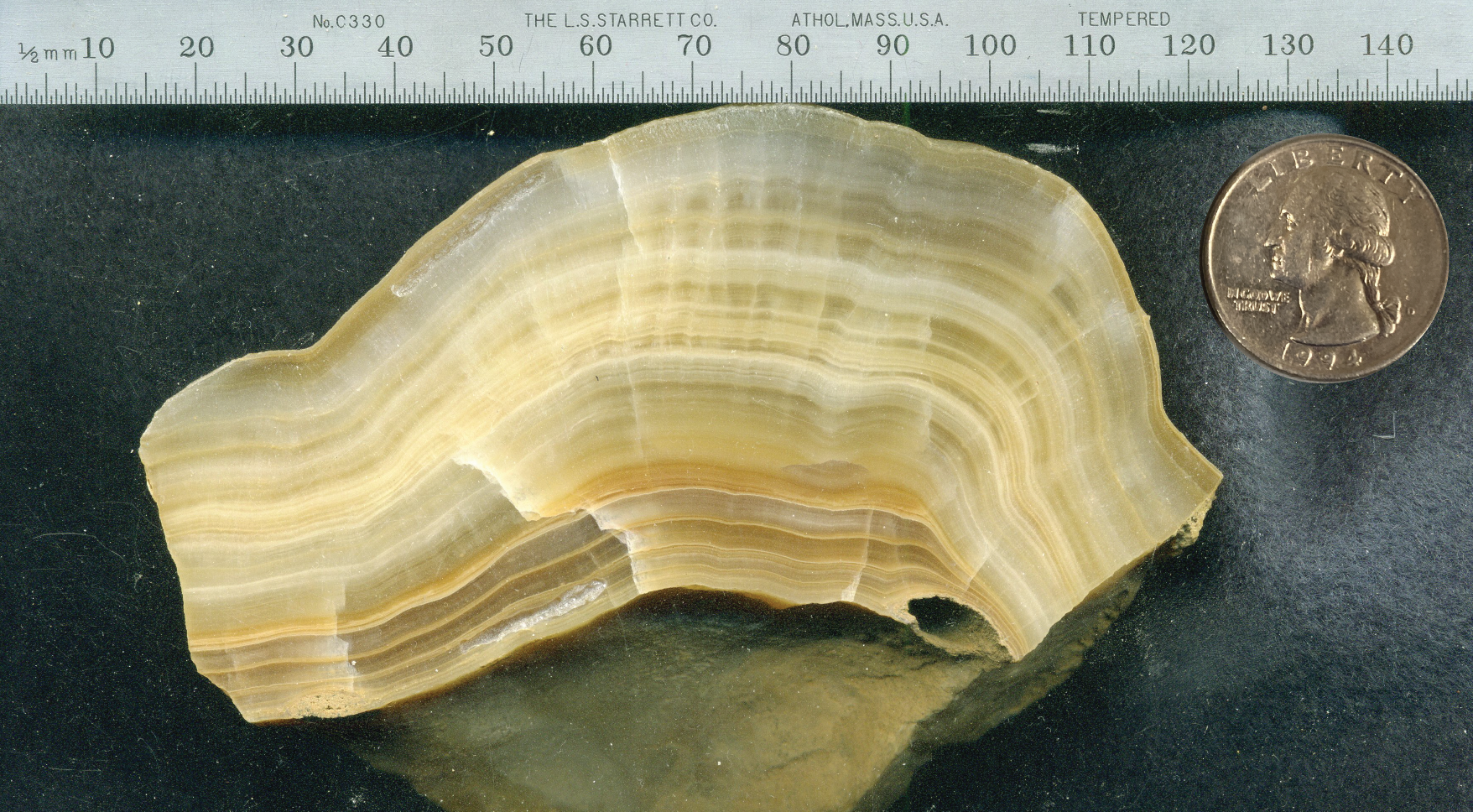
A speleothem has revealed rapid periods of warming across the interior of the continent during the last glacial period, corresponding to similar events recorded in Greenland ice.

Numerous climate records illustrate how temperature and precipitation have fluctuated over long periods of Earth’s history. Advances in technology have improved the resolution of these records, revealing episodes of short-term climate variability. A new record, obtained from a tiny stalagmite in North America, has revealed eight abrupt periods of warming, likely greater than 10°C, that punctuated the last glacial episode. The new research was published last month in Nature Geoscience.

The last glacial period began 115,000 years ago and ended at the start of the Holocene, 11,700 years ago. Ice core data from Greenland previously revealed 25 rapid episodes of warming, called Dansgaard-Oeschger (DO) events, largely attributed to changes in deepwater circulation in the North Atlantic.

Although documented in the Greenlandic ice cores, “prior to this study, there was a lack of evidence that suggested that the Midwest responded to DO events,” said Cameron Batchelor, a geologist and postdoctoral fellow at the Massachusetts Institute of Technology. Batchelor, the first author on the study, completed this work during her doctoral degree at the University of Wisconsin–Madison. “For the first time, we have proof that this region of the world was sensitive to DO events.”

(more…)

Read Full Post »

A new study finds the lofted pollutants came from major European cities, but further study is required to fully understand the plastics’ transport and deposition processes.

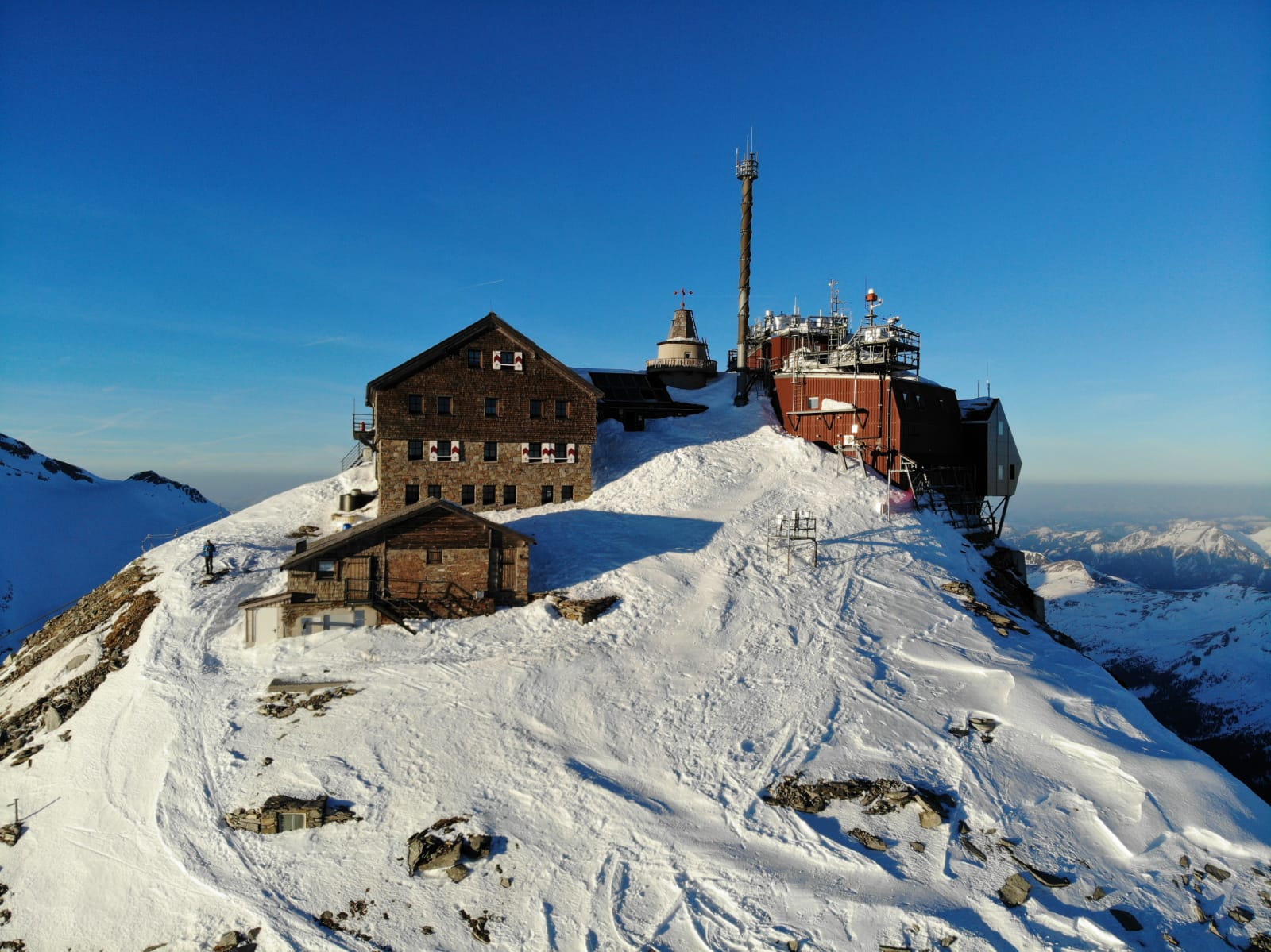
To test for the presence of nanoplastics in the Alps, researchers gathered samples of melted snow at Sonnblick Observatory, 3,106 meters above sea level. Credit: Elke Ludewig

Plastics are ubiquitous, with more than 350 million tons produced worldwide every year. The far-reaching effects of synthetic materials are also in the news, from the pile of garbage circulating in the Pacific to elephants dying from consuming nondegradable plastic waste. Now, a new study from an international team of researchers found tiny plastic particles high in the Alps.

Pervasive Plastics

Since plastics do not have a permanent environmental sink, they continue to degrade, becoming smaller until they are considered nanoplastics, which are 100 times thinner than a human hair. These fragments of plastic are tiny enough to be carried aloft and distributed by the wind. However, data on the distribution and concentration of nanoplastics are rarely reported.

Dušan Materić, a researcher at Utrecht University in the Netherlands, and colleagues were interested to see if nanoplastics were present in high-altitude, remote places, like the Alps. So they gathered 38 samples at Sonnblick Observatory from February to March in 2017. The observatory sits on a remote peak in the Austrian Central Alps, more than 3,100 meters above sea level. They focused on four commonly used plastics: polypropylene (PP), polyethylene terephthalate (PET), polyethylene (PE), and polystyrene (PS). The team used thermal-desorption proton-transfer-reaction mass spectrometry to measure and identify the tiny particles in the samples they collected. After analyses, the results were compared to 40 unique ions identified from new plastic exemplars.

(more…)

Read Full Post »

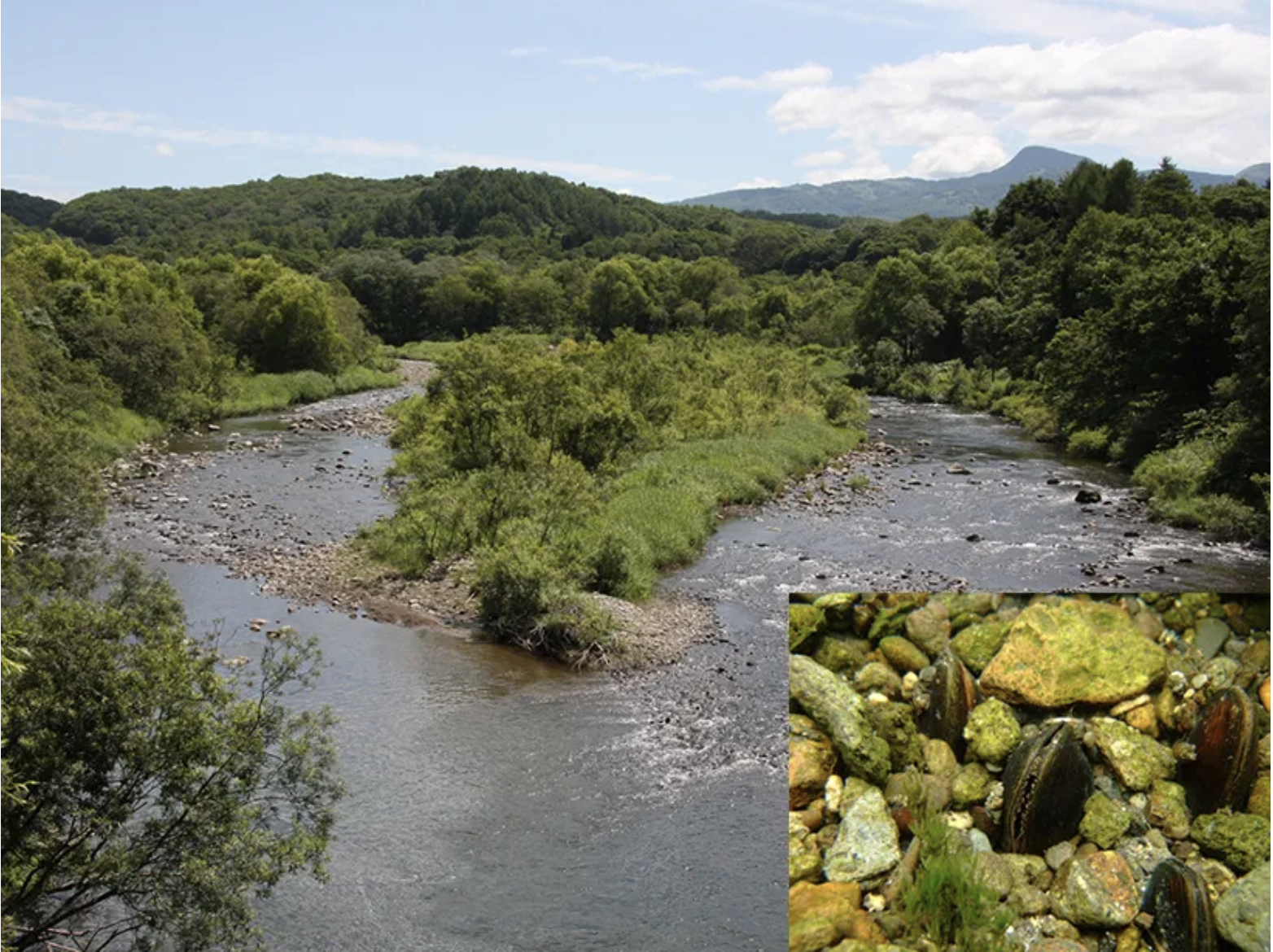
Margaritifera laevis, a freshwater mussel found throughout the Shiribetsu River in northern Japan, offers a potential proxy to understand changes in seasonal freshwater river flux. Credit: Tsuyoshi Watanabe (mussels) and Highten31, CC BY-SA 3.0

A new study explores a possible proxy for seasonal freshwater input that could elucidate changes in alpine snowpack as the planet warms.

As the planet warms, the winter season is growing shorter and warmer. The consequences of these changes are particularly problematic in alpine regions. These areas are being robbed of the time and temperature to accumulate an adequate snowpack to supply the valleys below with fresh water throughout the spring and early summer. Understanding how the snowpack has changed is critical, but snow is ephemeral, and the research community has lacked a proxy to record and reconstruct seasonal river flow.

Now a Japanese team of researchers is using the geochemical signature obtained from the shells of freshwater bivalves to find this critical piece of information. The results of their study, published in Palaeogeography, Palaeoclimatology, Palaeoecology, produced an almost 7-decade seasonal record of river flow in northern Japan.

“The proxy and/or geological records that could reconstruct the river environmental condition in the past are very limited,” said Tsuyoshi Watanabe, a lecturer at Hokkaido University and first author on the study. “I was surprised that [the shells of] these long-living [mussels] could capture very detailed information about river environments [at a] daily scale.”

Enter Margaritifera

For more than 4 decades, geochemical records obtained from the shells of bivalves, microplankton, and corals have proven to be effective proxies to reconstruct past environmental conditions, including temperature, salinity, and dissolved oxygen. In this study, Watanabe and his team focused on the freshwater mussel species Margaritifera, which has a pronounced life span of up to 200 years. Previous studies have found that the annual growth patterns of this species reflect temperature and precipitation during the summer months. Watanabe and his team set out to determine how the timing and chemistry of growth bands on the shell material correlated to the vast amount of environmental data for the region around the Shiribetsu River, where colonies of the mussel are common.

(more…)

Read Full Post »

Older Posts »