Feeds:
Posts
Comments

Archive for the ‘Blinding People with Science’ Category

Jennifer Scheper Hughes details the Roman Catholic Church’s transformation in the Americas following an unidentified epidemic, and how Indigenous Mexicans rebuilt it in the aftermath
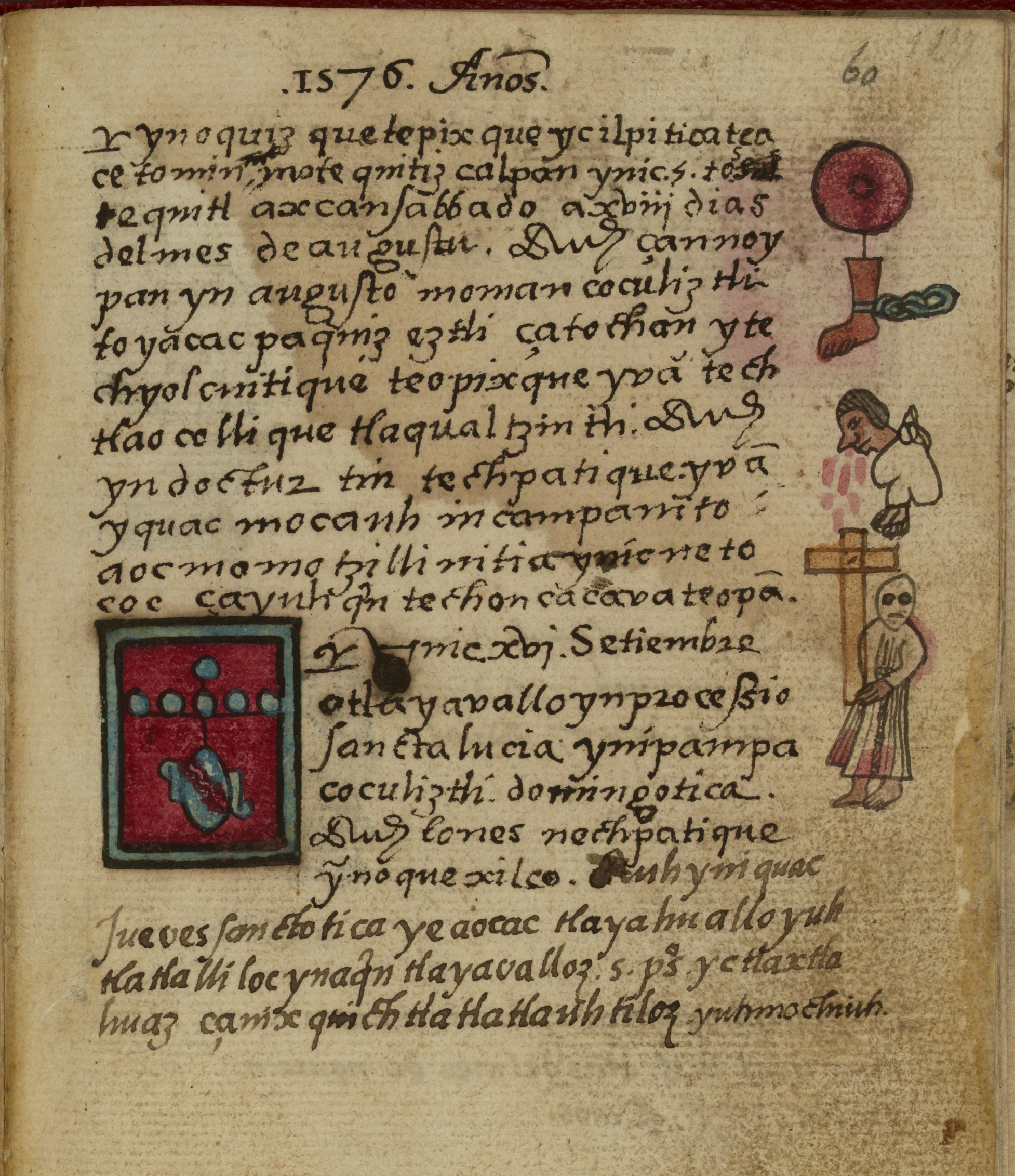
During the first century of American colonization, as many as 20 million people in Mexico perished from disease, violence, and exploitation. Jennifer Scheper Hughes, a professor in the Department of History at the University of California, Riverside, examines this period from historical and theological perspectives in her new book, “The Church of the Dead: The Epidemic of 1576 and the Birth of Christianity in the Americas.”

In 1576, a catastrophic epidemic claimed almost 2 million lives and simultaneously left the colonial church in ruins. In the crisis and its aftermath, Spanish missionaries and surviving Indigenous communities asserted radically different visions for the future of Christianity.

“Thinking about the church in Mexico is important,” Hughes said. “It predates by a century the arrival of the Puritans to New England. Mexican Catholicism is the oldest form of Christianity in the hemisphere.”

(more…)
Read Full Post »

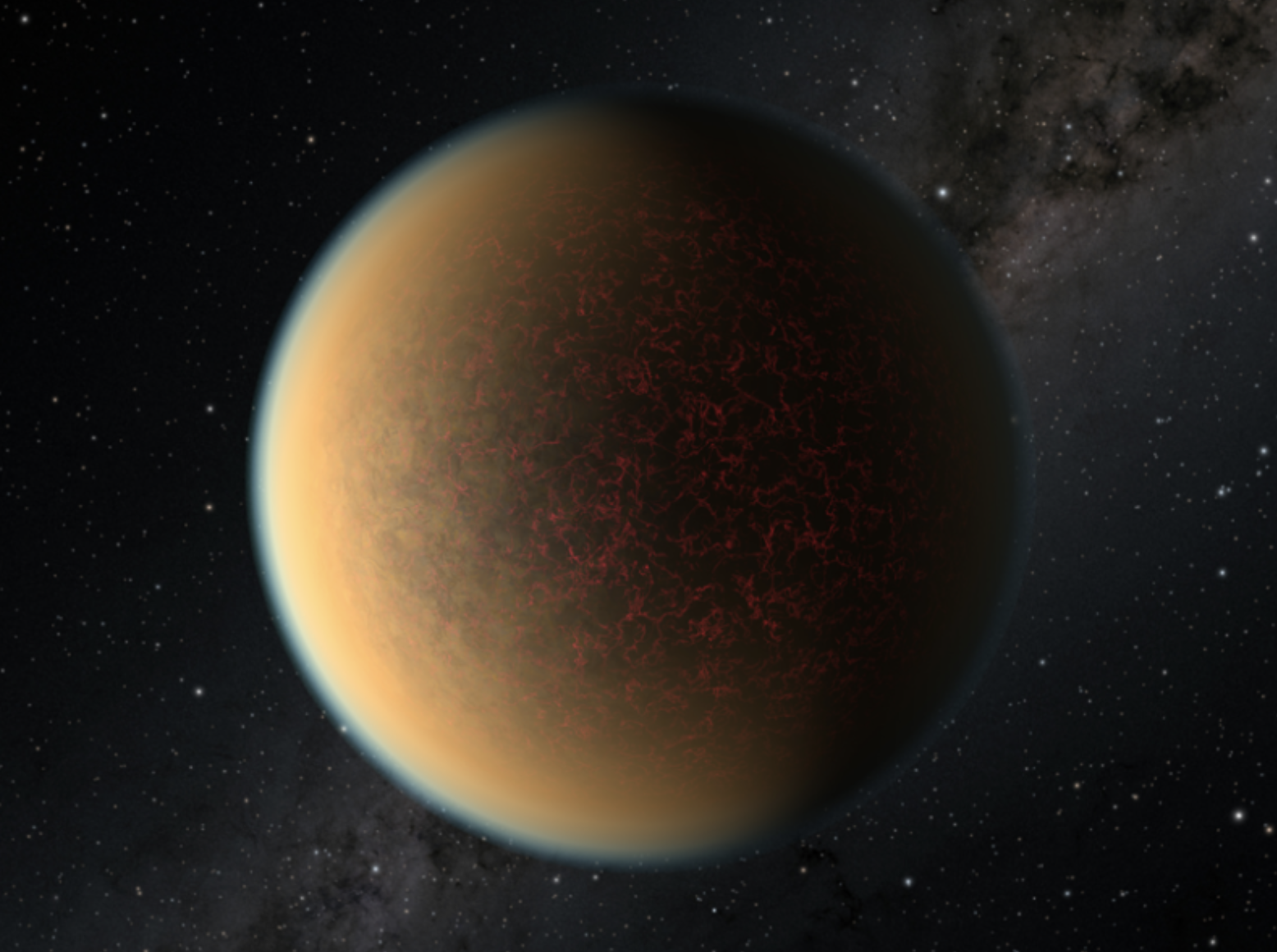
Gleise 1132 b is an exoplanet in the constellation Vela, about 40 light-years away from Earth. Credit: NASA, ESA, and R. Hurt (IPAC/Caltech)

Researchers have long been curious about how atmospheres on rocky exoplanets might evolve. The evolution of our own atmosphere is one model: Earth’s primordial atmosphere was rich in hydrogen and helium, but our planet’s gravitational grip was too weak to prevent these lightest of elements from escaping into space. Researchers want to know whether the atmospheres on Earth-like exoplanets experience a similar evolution.

By analyzing spectroscopic data taken by the Hubble Space TelescopeMark Swain and his team were able to describe one scenario for atmospheric evolution on Gliese 1132 b (GJ 1132 b), a rocky exoplanet similar in size and density to Earth. In a new study published in the Astronomical Journal, Swain and his colleagues suggest that GJ 1132 b has restored its hydrogen-rich atmosphere after having lost it early in the exoplanet’s history.

“Small terrestrial planets, where we might find life outside of our solar system, are profoundly impacted by atmosphere loss,” said Swain, a research scientist at the NASA Jet Propulsion Laboratory (JPL) in Pasadena, Calif. “We have no idea how common atmospheric restoration is, but it is going to be important in the long-term study of potential habitable worlds.”

(more…)

Read Full Post »

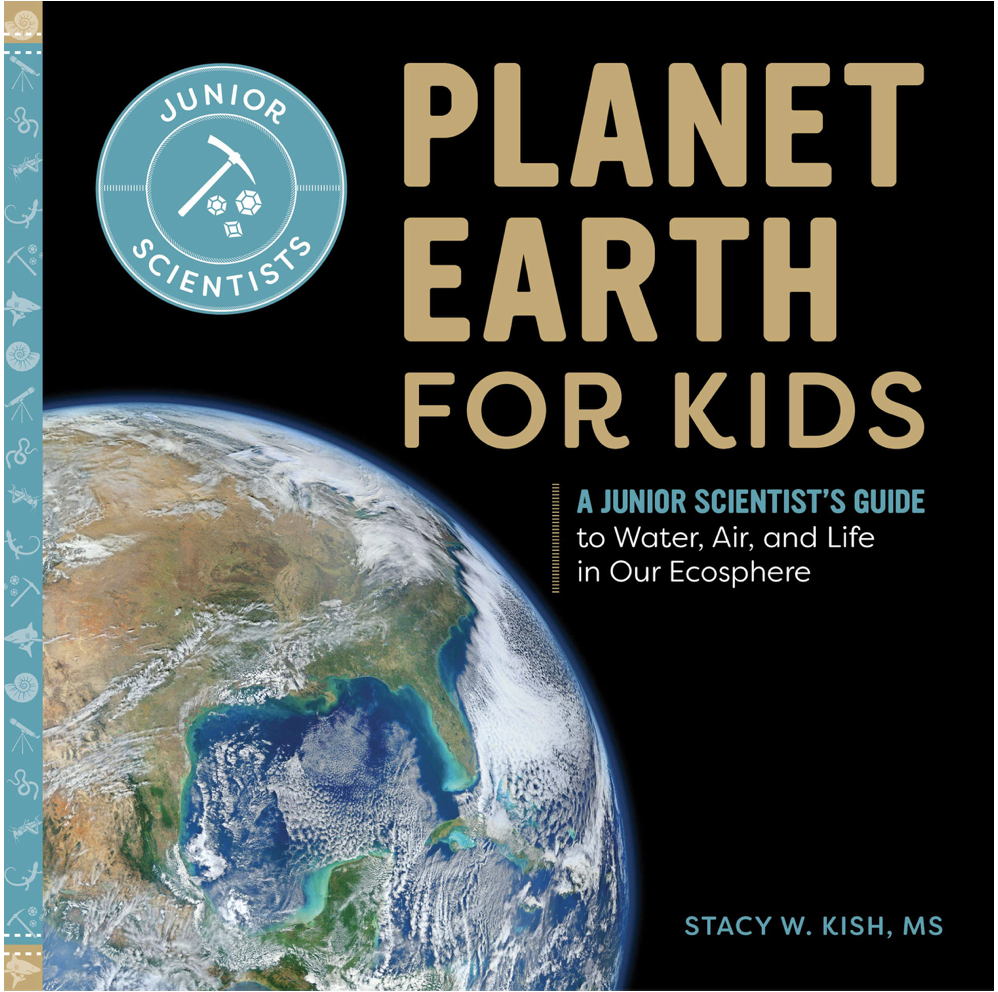
Well. It’s official. Planet Earth for Kids is now available on Amazon. If you have a wee person in your life who is curious, check it out.

Read Full Post »

Emilie O’Leary and her son Jack O’Leary reading on Tuesday, Dec. 10, 2019 in the Children’s School

Researchers at Carnegie Mellon University found that digital storybooks that animate upon a child’s vocalization offer beneficial learning opportunities, especially for children with less developed attention regulation. 

“Digital platforms have exploded in popularity, and a huge proportion of the top-selling apps are educational interfaces for children,” said Erik Thiessen, associate professor of Psychology at CMU’s Dietrich College of Humanities and Social Sciences and senior author on the paper. “Many digital interfaces are poorly suited to children’s learning capacities, but if we can make them better, children can learn better.”

The results are available in in the December 19 issue of the journal Developmental Psychology. 

(more…)

Read Full Post »

« Newer Posts - Older Posts »