Feeds:
Posts
Comments

Archive for the ‘Blinding People with Science’ Category

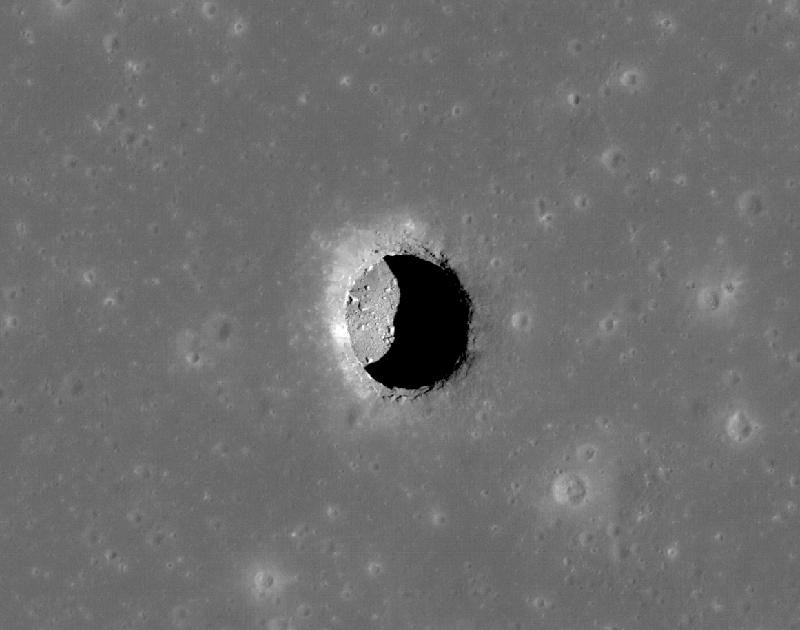
Researchers studied temperature anomalies in this pit crater in Mare Tranquillitatis. Credit: Credits: NASA/Goddard/Arizona State University 

Large caves near the Moon’s equator maintain a stable daily temperature around 17ºC.

Settlements on the Moon have a certain poetic appeal, but scientists have long understood the complications required to achieve this goal. Lack of oxygen, cosmic radiation, and temperature extremes are only a few of the imposing obstacles to this endeavor.

A new study reveals that one hurdle may not be as difficult to overcome as it first appeared. Researchers first identified caves on the Moon in 2009, but the question remained if these features could regulate temperature in the same way caves do on Earth. After more than a decade scanning for temperature anomalies on the lunar surface, a team of researchers at the University of California, Los Angeles and University of Colorado have determined that lunar caves maintain a comfortable 17ºC (63ºF). The results were published in Geophysical Research Letters.

(more…)

Read Full Post »

For the last four decades, Earth Island Institute has been at the forefront in the fight for the environment. This experience has prepared us as our planet reaches a crossroad. Through a growing network of grassroots activists and inspired leadership, Earth Island has maintained a single-minded vision to honor and defend the natural world and its inhabitants.

As we celebrate and reflect on 40 years of accomplishments, we invite you to join us in our continuing efforts to address the most urgent environmental issues of our time — to help us demonstrate, in the words of David Brower, our founder, that this generation has love for the next.

separation line
(more…)

Read Full Post »

Cliff Trafzer’s new book uses oral tradition to offer an alternate interpretation of ‘The Last Western Manhunt’

More than a century ago, a Romeo and Juliet-esque tragedy unfolded in the desert southwest. The antagonist, Willie Boy, shot and killed the shaman, William Mike, and eloped with William Mike’s daughter, Carlota, who met her demise at the hands of the pursuing posse. 

The story has been framed and reframed for generations from the settler perspective, including the Harry Lawton book “Willie Boy” and a 1969 Hollywood movie starring Robert Redford and Robert Blake. The resulting narrative has endured in large part because cultural law has prevented the Chemehuevi community from speaking of the dead. 

Clifford E. Trafzer, distinguished professor of history and Costo Chair in American Indian Affairs at UC Riverside, explores this fateful saga from the perspective of the Native community in his book, “Willie Boy & The Last Western Manhunt.”

Boy meets girl

Willie Boy was born into a Nuwuvi family in the Chemehuevi Valley in 1882. He entered the world at a contentious time as more white settlers pressed into the area in search of gold, land, and opportunities. Willie Boy learned the values of his culture as he walked the path of his ancestors. He also adapted to the white culture, learning English and working alongside white ranchers. As he grew, the cultural tug-of-war led to the misstep that set tragedy in motion. 

Read Full Post »

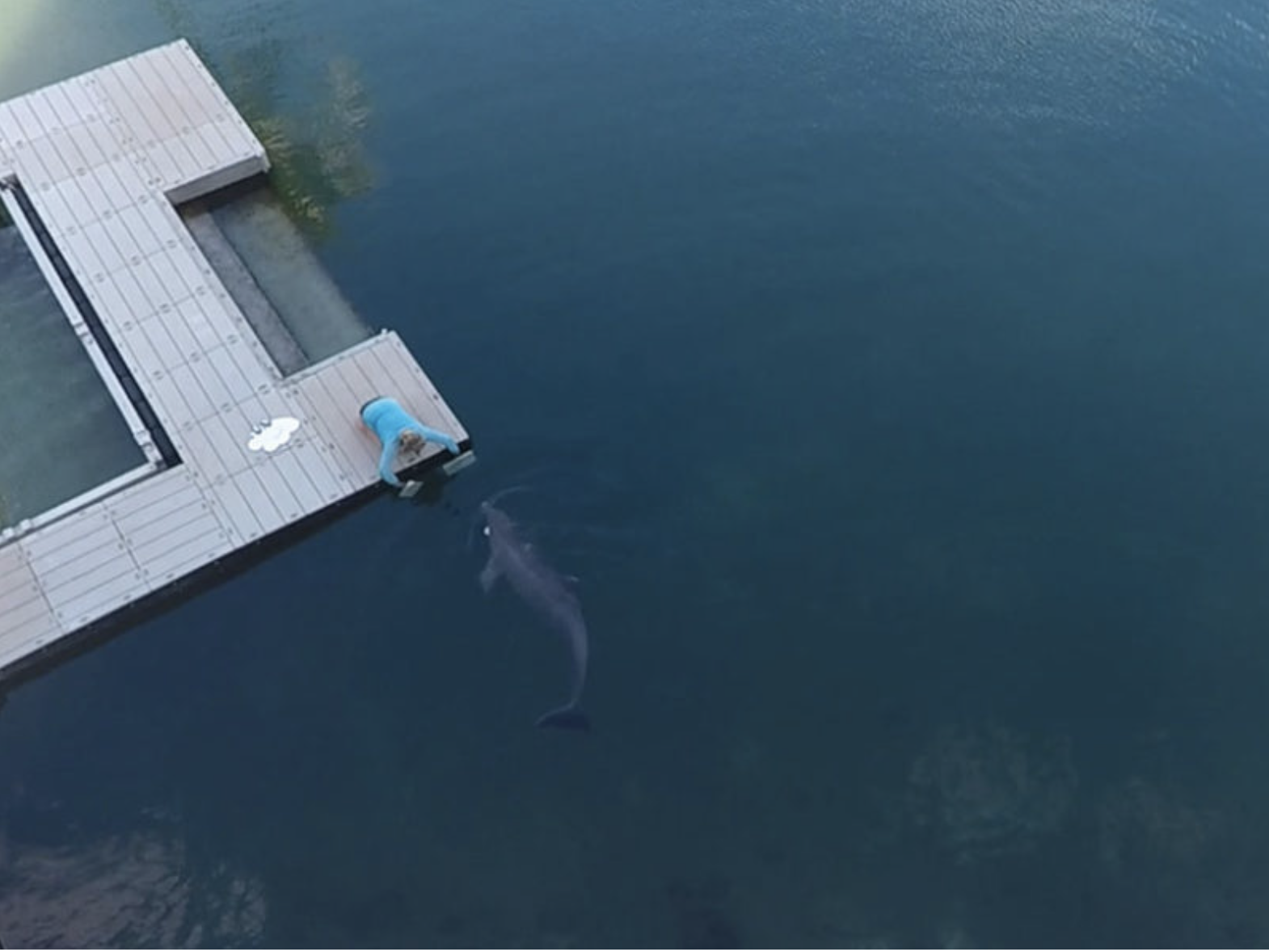
A team of researchers at the University of Michigan is looking to animals to find new ways for autonomous vehicles to navigate through the environment.

Autonomous vehicles are jauntily steering through the streets of more and more cities, but the navigation systems in these vehicles remain an evolving technological concept. As companies vie for the rights to urban terrains, they typically use sensors based on optical properties (like light waves and video) or radio waves to map and navigate the environment. These options may not provide the best coverage, especially in bad weather. A team of researchers at the University of Michigan is turning to nature to develop something better.

“Animals have the amazing ability to find their way using sound,” said Bogdan Popa, an assistant professor of mechanical engineering at the university and principal investigator on the project. “We want to develop a sensor that uses sound like animals.”

(more…)

Read Full Post »

« Newer Posts - Older Posts »