Imagine if your neighborhood is routinely destroyed. The houses, streets, and businesses damaged. It would be difficult to have a community thrive under such devastating circumstances. Soil microbes experience a similar scenario when traditional agricultural practices are used on the farm.
The soil microbiome is a collection of bacteria, fungi, and archaea that play an integral role in soil and plant health. These microbes provide vital ecosystem services like breaking down organic matter and cycling nturients to make them available to plants. The microbes also control and suppress pathogens, both fungi and bacteria.
“[These organisms] promote decomposition of materials, like roots and other plant materials, into carbon dioxide and soil organic matter,” said Christoph C. Tebbe, professor at the Thünen Institute, Germany. “[They] are an important for creating the building blocks for keeping soil in a very healthy structure, not compacted but nice aggregates and a pore system that allows plants to grow better.”
In addition, the soil microbiome consumes and stores excess nutrients from fertilizer applications and purifies water, preventing nutrient run-off and eutrophication further downstream. It also degrades pesticides into nontoxic compounds so the chemicals are more easily processed through the environment.
“Industrial agriculture requires large fertilizer applications on large fields to grow monoculture crops, which can be productive for years, even decades, but soil structure gets worse and plant inputs may need to be increased,” said Tebbe. “In the end though, farmers want to give their fields and farms to the next generation in a state as good as they received it.”
Modern Agriculture and the Soil Microbiome
A healthy ecosystem can be measured in part by the response of the soil microbial community to a disturbance or stress. Removing one group, even a tiny group, from the food web can reduce the health, stability, and resilience of the overall system.
Undisturbed, natural, or organically managed soil supports a more robust soil microbiome than a conventionally managed agricultural system. A robust soil microbiome is defined by high biological diversity. Modern agricultural practices alter the physical, chemical, and biological factors of the soil. In addition, excess nitrogen fertilization leads to soil acidification that decreases microbial diversity.
Under industrial agricultural practices, like the use of heavy machinery, soil structure is compromised and microbial diversity weakened. As a result, the soil microbiome suffers, which in turn affects their potential agricultural productivity. Because soil microbes are connected to the larger environment, it is essential to consider these organisms when focusing on soil and ecosystem health.
To reduce the negative repercussions from industrial agriculture, conservation agriculture advocates for practices that minimize soil disturbance, enhance plant diversity, and implement plant residue, like cover crops. These restitution practices protect soil, but it takes time to recover soil structure and increase organic carbon content. Cover crops may be one of the most important components of this process.
An Aggregate that is Just Right
Tebbe and his colleagues have shown that microbes have a ‘preference’ for the size of sediment grains on which they live. During physical and chemical weathering, rocks and minerals are broken into smaller and smaller pieces or grains. Soils are dominated by three grain sizes — clay (<2 mm), silt (2–63 mm), and sand (63–2,000 mm). The concentration, chemical composition, and decomposability of organic matter differs for each grain size fraction. Microbes live in close contact with these sediment particles, and each sediment size fraction produces distinct microenvironments that are more favorable for different microbial species.
Tebbe found that bacteria and fungi structure their communities around grain size. Microbes living on clay-sized grains include the bacterial taxa Planctomycetales and the fungi Penicillium and Mucoraceae. These communities are akin to apartment dwellers crammed together on the tiny particles. The silt fraction is similar to the suburbs, populated by bacteria Gemmatimonadales, Actinobacteria, and Nitrosospira and the fungi Sordariomycetes. The sand-sized fraction, which is populated by bacteria Bacteroidetes and Alphaproteobacteria and fungi Dothideomycetes and Cadophora, is more rural with large farm houses separated across vast distances.
Soil grains form larger structures called aggregates that range from the micro level (< 0.25 mm in diameter) to the macro level (> 0.25 mm in diameter). These aggregates form through physical, chemical, and biological activity below ground and play a role in gas exchange, soil moisture, and substrate availability. Macro-aggregates are a construct of soil grains combined with organic material. The larger aggregates are more vulnerable to mechanical disruptions like tillage and are dynamic during seasonal changes. The smaller micro-aggregates have a higher proportion of soil grains, with the minerals glued together with decomposed organic (humic) material. The smaller aggregates are more stable compared to the larger aggregates. The aggregates represent a higher level of structural and functional complexity for microbial microhabitats. Healthy soils contain a mixture of both aggregate types offering many different living conditions for a diverse soil microbiome.
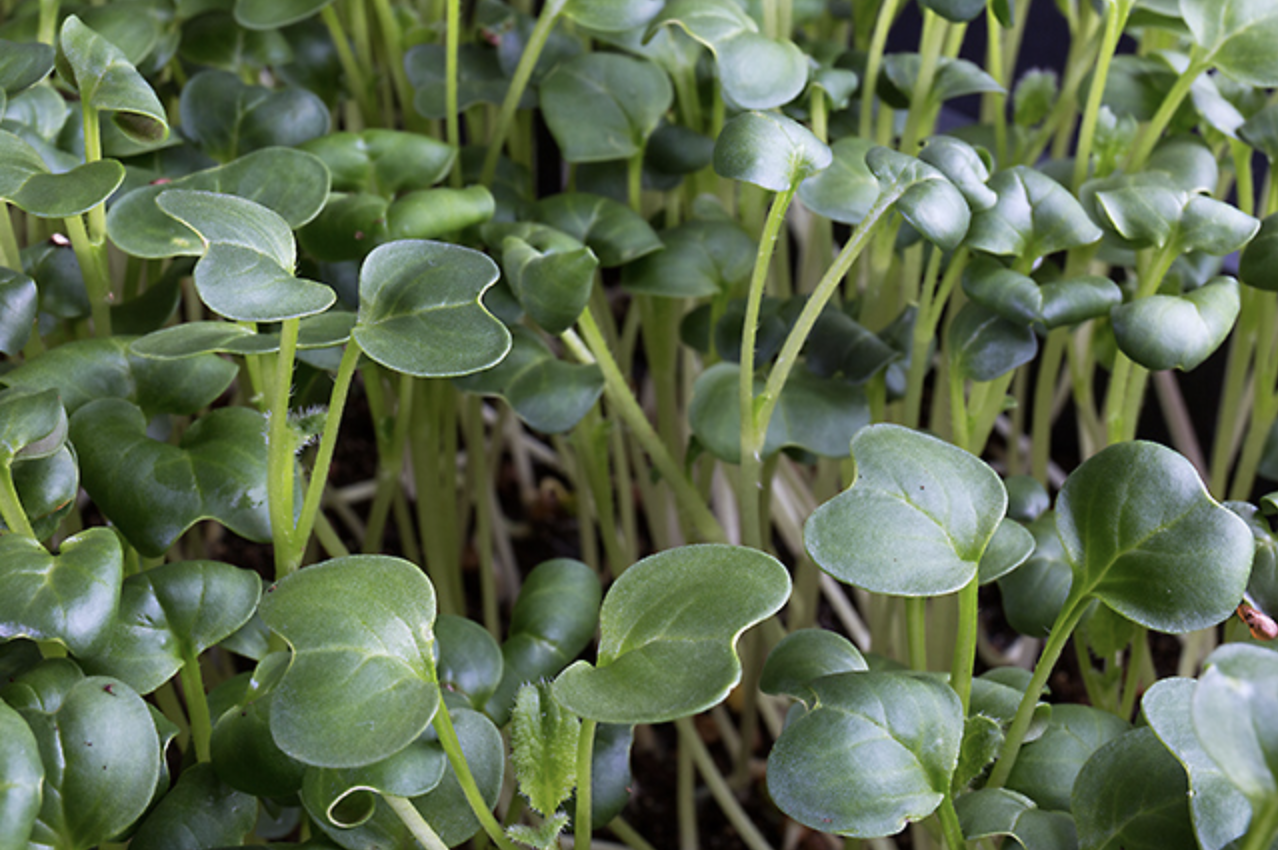
According to Tebbe, cover crops stabilize the soil and prevent soil erosion. These plants also maintain the diverse sediment grain composition typical to a region that supports the natural microbes living in the soil aggregates. Cover crops also provide a vital source of nutrients to the microbiome, contributing up to one-third of the captured nutrients to the soil through the root system. Winter cover crops are essential for feeding microbes, especially bacteria and fungi, and the turnover of the microbiome provides a jump-start for their beneficial activities promoting plant growth once the spring season arrives.
For the future health of soil and the long-term health of the planet, maintaining a healthy soil microbial community is critical. Undertaking these efforts raises two big questions — how does one assess the diversity and abundance of the microbes in the soil microbiome, and what can be done to maintain these tiny communities?
Cover Crops: A Global Perspective
To begin the process of addressing these two big questions, it helps to understand the role that cover crops play in microbial abundance and diversity. María B. Villamil, professor in the College of Agricultural, Consumer and Environmental Sciences at the University of Illinois, Urbana-Champaign, and colleagues conducted a meta-analysis of articles published in scientific research journals that examined the effect of cover crops on soil microbial abundance and diversity.
Villamil found cover cropping significantly increased parameters of soil microbial abundance, activity, and diversity by 27%, 22%, and 2.5% respectively, compared to fallow soil. In particular, they found cover crops improved soil microbiome robustness when properly managed with other agricultural practices, like tillage and the timing of cover crop termination.
Case Study: Cover Crops in Canada
Cover cropping is not a widely practiced agricultural method in Quebec, Canada. The long, harsh winters hinder the ability of these crops to take hold. As a result, the impact of cover crops on microbial diversity has rarely been studied in this region.
Marc Lucotte, an environmental geochemist at the University of Quebec, Montreal, and his colleagues conducted a studythat examined the impact of cropping systems on soil microbial diversity. The team focused on three treatments — one seeding, two seedings, and three seedings of corn, soybean, and wheat. In addition, they evaluated the effect of different cover crops, including rye, alfalfa, and a mixture consisting of alfalfa, sunflower, phacelia, pearl millet, sorghum, buckwheat, oat, radish, crimson clover, and garden pea, on the different seeding treatments. The treatments were evaluated at two locations —Montmagny, along the St. Lawrence River, and Ste-Marthe, farther inland and adjacent to a lake.
Studies traditionally use polymerase chain reaction (PCR) amplification to quantify the organisms living in the soil, but this analytical technique cannot point to the function the microbes perform. Instead, Lucotte and his team used metagenomics to identify and quantify the microbes dwelling in the soil. Metagenomics is based on the structure and function of DNA sequences found in a soil sample to identify the inhabitants, but also inform the role these organisms play in the community.
“The more we use metagenomics, the more we learn about microbes, about their functions, like nitrification,” said Tebbe. “Due to metagenomics, we now understand a wider range of organisms who are different but also perform similar tasks.”
Along with a metagenomic analysis, the team also used qPCR to count the targeted DNA segments to produce microbial counts. The most abundant bacterial phyla were Actinobacteria and Proteobacteria, while the most abundant eukaryotic phyla were Ascomycota, Cercozoa, and Mucoromycota.
The researchers found that plant diversity and cover cropping affected the soil microbial composition but not the overall biomass. The researchers point to variations in root structure of the different crops to promote the microbial diversity. Different cropping systems also affected microbial growth. Soybeans degrade quickly, which favored bacteria, while wheat and corn degrade more slowly, which favored fungi over the long term.
Case Study: Cover Crops in Belgium
A similar study examined the microbial community dynamics in a long-term field experiment in Gembloux, Belgium. Tebbe and his team explored the role of plant residues on plots where crop residue restitution has been practices for more than 60 years. The study offers a window into the long-term effect of soil organic carbon on the microbial community.
In the study, the researchers examined plots for 2.5 years under cropping systems that included a succession of maize, winter wheat, and barley. The analysis also explored the short-term effect of intercropping wheat with pea.
The team assembled microbe diversity using 16S rRNA gene PCR amplicon sequencing. Similar to the Quebec study, the dominant bacterial phyla identified in the soil include Proteobacteria and Actinobacteria. The archaea was dominated by Crenarchaeota. Perhaps more importantly, the team found that rare oligotrophic taxa, like Acidobacteria, Chloroflexi, Planctomycetes, Myxococcota and Verrucomicrobia, thrive in regions with limited nutrients and form strong network structures with one another compared to with the more abundant and competitive bacteria in the soil community.
Plant residue injects organic carbon into the soil that is typically lost following traditional agricultural practices. The additional carbon is also fresher and more assessable to the microbial community, which supports and stabilizes the tiny organisms during the winter.
The study showed that short-term intercropping produced a stronger effect on depleted fields where residue was exported, upholding the role that residue restitution has on the resilience of soil microbial communities. The same effect was not repeated with archaea, suggesting these organisms are less dependent on the immediate organic carbon input and decomposition. During the spring months, the abundant bacterial and fungi offered a ready carbon source of nutrients for young plants. In addition, the identified rare bacterial species were affected more by the long-term crop restitution.
Case Study: Cover Crops in the United States
Soil microbial communities may also be a key role in addressing plant health and soil resilience, especially in the face of climate variability. Understanding how agricultural management practices influence soil and soil microbial communities could provide increased insight into the future of crop production.
Kurt Steinke, associate professor of soil fertility and nutrient management at the University of Michigan, led a team that examined the role of plants in modulating microbial community composition. They focused on the impact of litter quality, root morphology, and rhizodeposition on the microbial community during two field studies in Lansing, Michigan.
Cover crop residues can interact with an annual crop to alter rhizosphere microbial community structure through a combination of root structure and nutrient release during decomposition. In the study, the researchers seeded two cover crops — daikon radish and forage oat — in the spring and terminated in autumn. The results were compared to fields were no cover crop was applied.
The team used 16S rRNA genomic sequencing to compare the effects of each cover crop combined with corn and nitrogen timing and placement strategies on soil bacterial community composition. Like the previous studies, Proteobacteria and Actinobacteria, were common, along with Acidobacteria, and Planctomycetes.
At the study location, the soil microbial communities varied throughout the year. Because cover crop residue provides a slow source of carbon and nitrogen, the researchers found that the selection of cover crop influenced the soil bacteria growing in the soil. In addition, the microbes were more sensitive to cover crops during a wet year. Oat affected community membership, and radish, which decomposed earlier, had a greater impact on community structure.
The researchers found that increasing the diversity of cover crop species did not enhance the soil physical prosperities or health compared to monoculture cover crops. This result suggests that the diversity-productivity idea may not hold for all regions. In effect, monoculture cover crops may be more effective at improving the physical health of the soil. Further research is needed to clarify the effect of soil chemistry and soil bacteria on regulating community composition and agricultural management strategies.
Folding Research into Future Management Strategies
“The high-intensive agricultural practices, as they are typically applied for more than 50 years, assume you have an unlimited nitrogen supply and can add as much as you want to obtain a high yield, but excess nutrients can result in the release of gases that amplify the effect of climate change,” said Tebbe. “We need to develop practices where we apply fertilizes using a more targeted approach to grow healthy plants and reduce runoff in the rivers and outgassing to the atmosphere.”
Microbes may be one of the smallest members of an ecosystem, but these tiny organisms are incredibly important. Developing agricultural management practices with an eye toward supporting the diversity of the soil microbiome may prove critical for agriculture to continue to grow the crops to feed an ever growing and hungry population. Sustainable agricultural practices, like no-till systems and organic fertilizers, have an immediate effect on microbial community structure and how the microbes interact with each other.
Plant diversity, including diversified rotation and cover crops, are a part of conservation agricultural practices that support soil microbial communities. The studies from Canada, Belgium, and the United States uphold the importance of cover crops for promoting the long-term abundance and diversity of the soil microbiome. These results offer information on how microbial communities respond to different agricultural management practices with the goal of developing environmentally friendly, sustainable cropping systems.
 EarthSpin