Feeds:
Posts
Comments

Archive for April, 2023

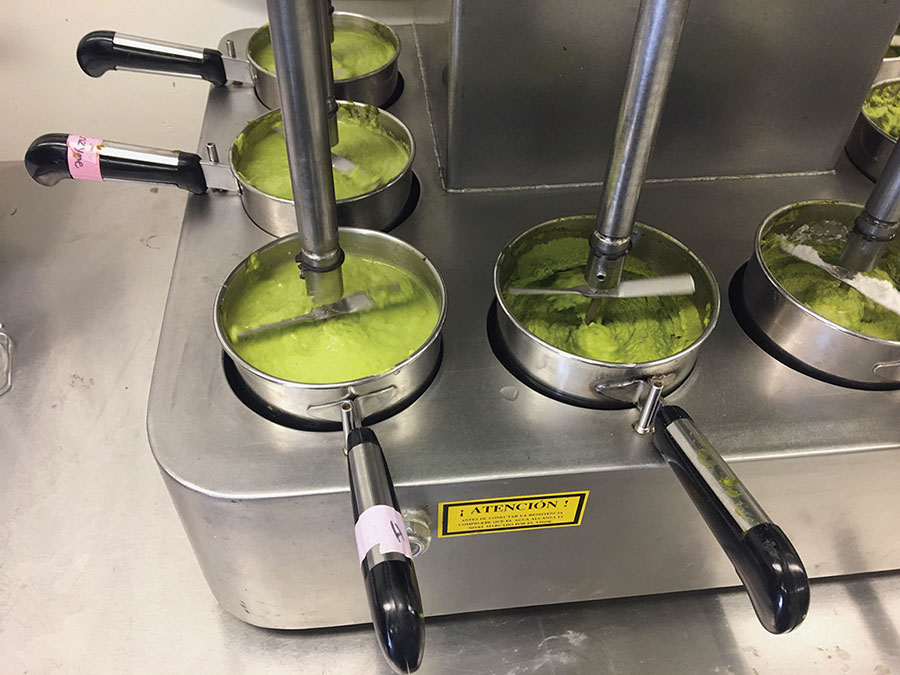
FIG. 1. Paste made from avocado flesh in a lab-scale malaxer where the oil droplets start to coalescence before oil extraction. Credit: John Almazan

Avocadoes are having a moment. The nutritional benefits promote heart health and reduce inflammation, blood pressure, and cholesterol. Not to mention the popularity of avocado toast.

Despite the rise in consumer interest, there are no standards to define the chemical and physical characteristics of avocado oil. Without an internationally defined standard, consumers are left vulnerable to adulterated or fraudulent avocado oil in the marketplace.

“Currently selling and buying avocado oil is like playing a boardgame with no rules,” said Selina Wang, department vice-chair and associate professor of Cooperative Extension in the Department of Food Science and Technology at the University of California, Davis. “With no enforceable standards in place, cheaters win and honest players get taken advantage of.”

(more…)
Read Full Post »

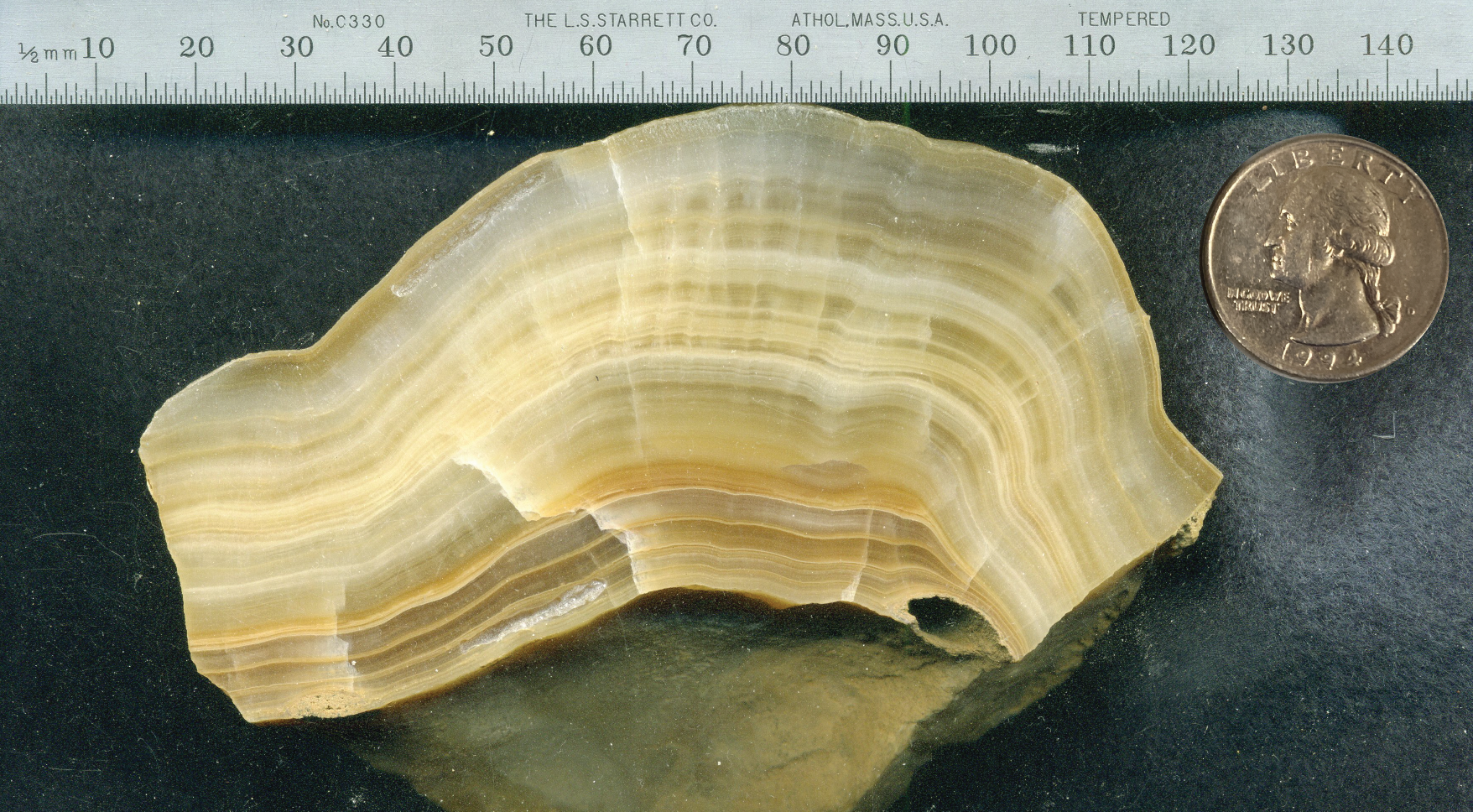
A speleothem has revealed rapid periods of warming across the interior of the continent during the last glacial period, corresponding to similar events recorded in Greenland ice.

Numerous climate records illustrate how temperature and precipitation have fluctuated over long periods of Earth’s history. Advances in technology have improved the resolution of these records, revealing episodes of short-term climate variability. A new record, obtained from a tiny stalagmite in North America, has revealed eight abrupt periods of warming, likely greater than 10°C, that punctuated the last glacial episode. The new research was published last month in Nature Geoscience.

The last glacial period began 115,000 years ago and ended at the start of the Holocene, 11,700 years ago. Ice core data from Greenland previously revealed 25 rapid episodes of warming, called Dansgaard-Oeschger (DO) events, largely attributed to changes in deepwater circulation in the North Atlantic.

Although documented in the Greenlandic ice cores, “prior to this study, there was a lack of evidence that suggested that the Midwest responded to DO events,” said Cameron Batchelor, a geologist and postdoctoral fellow at the Massachusetts Institute of Technology. Batchelor, the first author on the study, completed this work during her doctoral degree at the University of Wisconsin–Madison. “For the first time, we have proof that this region of the world was sensitive to DO events.”

(more…)

Read Full Post »