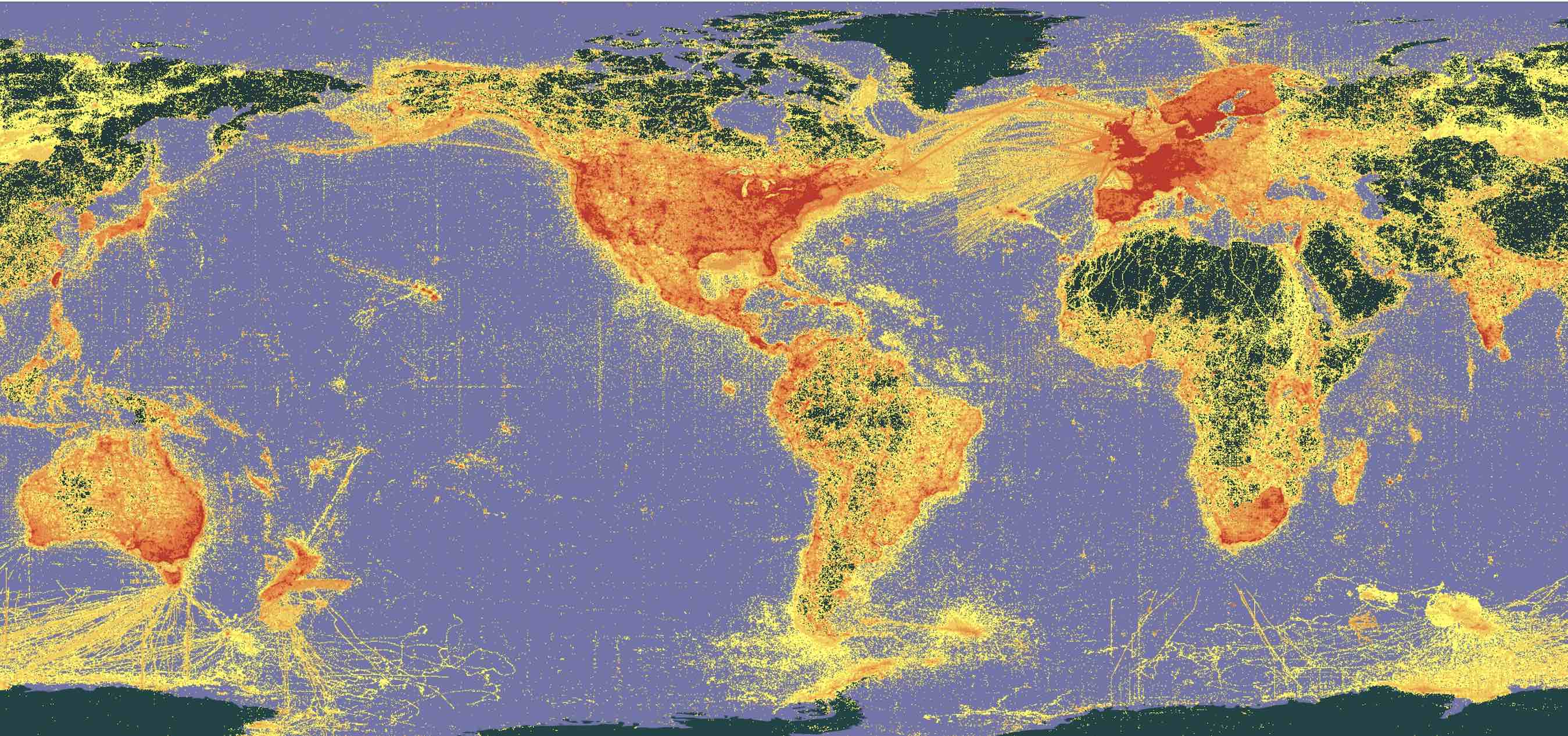
Credit: OpenStreetMap contributors, OpenMapTiles, GBIF
As the planet continues to warm and humans encroach on more wilderness areas, scientists warn of the unfolding sixth mass extinction on the planet. To evaluate the progression of this catastrophe, researchers need a large amount of high-quality data that contains detailed records of plant and animal biodiversity across the planet. The Global Biodiversity Information Facility (GBIF) provides the largest open-access biodiversity data network for researchers, conservation agencies, and ultimately, policy makers. It also provides a bridge to organizations, like museums and citizen science groups, that hold valuable biodiversity resources. With all of this information, could GBIF provide researchers the resources they need to slow the threat of the next mass extinction?
Venturing into the Jungle of Data Science
For centuries, museums have held the storehouse of specimens required to understand biodiversity across the planet. These archives serve as historical snapshots of biodiversity in one area, at one time. This information, until recently, has remained isolated. Recent efforts to digitize collections has produced a bridge between these rich troves, combining collections into a larger pool that researchers can tap to tackle bigger questions about global biodiversity.
“Datasets from thousands of museums across the globe are increasingly digitized and accessible in publicly searchable, online data portals,” said Mason Heberling, assistant curator of botany, co-chair of collections at Carnegie Museum of Natural History and first author on the study. “We are increasingly swimming in high volumes of data, but accessing and making sense of these data can be the limiting challenge.”
(more…) EarthSpin